
Watching someone you love experience dementia can be one of the most emotional journeys a family will ever walk through. Many family members quietly carry the same tender, and often painful, question in their hearts:
Will my loved one with dementia forget me?
For many caregivers, this fear can feel heavy. The thought that a parent, spouse, or lifelong companion may no longer recognize you can feel like losing a piece of the relationship, even while they are still physically present.
Understanding how dementia affects memory, and how the disease progresses, can help bring a sense of clarity and peace. It can also help families find meaningful ways to stay connected with their loved one through every stage of the journey.
Understanding How Dementia Affects Memory
To understand why recognition may change, it helps to understand what is happening within the brain.
Conditions such as Alzheimer’s disease and vascular dementia gradually affect brain cells over time. As these changes occur, they impact how the brain stores and retrieves information, leading to memory loss, confusion, and changes in how a person experiences the present moment.
In the earlier stages, many people have difficulty remembering recent events, while long-term memories often remain stronger. During this time, most individuals can still recognize family
members and maintain a sense of family identity.
As dementia progresses, it can become more difficult to retrieve memories. A person may begin forgetting names or relationships. Even so, your loved one may still feel comforted by your presence, even if they cannot fully explain why.

Do People With Dementia Always Forget Their Families?
This is one of the most common and deeply personal concerns families have.
While some individuals may experience changes in recognition in the later stages of dementia, it does not happen in every case. And even when recognition changes, the connection itself is often still there.
For example, your loved one may not identify you as their son or daughter, but they may still recognize you as someone familiar, safe, and comforting. You may notice a smile, a sense of ease, or a calm response when you are near.
This is because emotional memory often lasts longer than factual memory. While names and relationships may become harder to recall, feelings of love, trust, and connection can remain.
Many families find comfort in knowing that even if their loved one cannot express who they are, they may still feel the love being shared.
The Stages of Dementia and Recognition Changes
The ability to recognize familiar people can change over time.
Early Stages
In the early stages, a person living with dementia may experience mild memory loss but remain largely independent. They can often carry on conversations, manage daily tasks, and recognize
family members.
During this time, the focus is often on maintaining routines, offering reassurance, and supporting memory with simple tools like reminders or visual cues.
Middle Stages
As dementia progresses, confusion may become more noticeable. A person may occasionally struggle with names or relationships, while still recognizing familiar faces.
At this stage, families often begin providing more support with daily routines, medications, and personal care.
Later and Advanced Stages
In the later stages, there may be a more significant decline in both cognitive and physical abilities.
Some individuals may no longer clearly identify family members or may appear to forget people they have known for many years. At this point, full-time care is often needed.
Even so, emotional responses often remain. A familiar voice, a gentle touch, or a consistent routine can still bring comfort and a sense of peace.

Ways Families Can Stay Connected
Even as memory changes, connection is still very much possible. Small, thoughtful approaches can help maintain meaningful moments together.
Speak Slowly and Simply
As processing information becomes more difficult, speaking slowly and using simple, clear language can help reduce confusion and support engagement.
Maintain Eye Contact
Sitting at the same level and maintaining gentle eye contact can help your loved one feel seen, safe, and understood.
Use Familiar Objects and Visual Aids
Photo albums, labeled pictures, or familiar keepsakes can help spark recognition and provide comfort. These small visual reminders can help reinforce a sense of identity and belonging.
Use Familiar Music
Music often reaches places that memory cannot. Songs from earlier in life can bring comfort, joy, and even moments of recognition, even in later stages.
Focus on Feelings, Not Facts
Rather than correcting or trying to reorient, focus on how your loved one is feeling.
If a parent does not recognize their child, the goal is not to force recognition, but to create a moment that feels safe, warm, and connected.
The Emotional Impact on Caregivers
Walking through dementia with someone you love can be deeply emotional. Changes in memory and recognition can bring grief, sadness, and even a sense of loss.
Many caregivers share that it can feel like they are slowly losing pieces of the person they have always known.
It is important to remember that these feelings are natural. This journey asks a great deal of families, both physically and emotionally.
Finding support through community, trusted professionals, or other families walking a similar path can make a meaningful difference. You do not have to carry this alone.
What Dementia Cannot Take Away
While dementia can change memory and recognition, it cannot erase a lifetime of love.
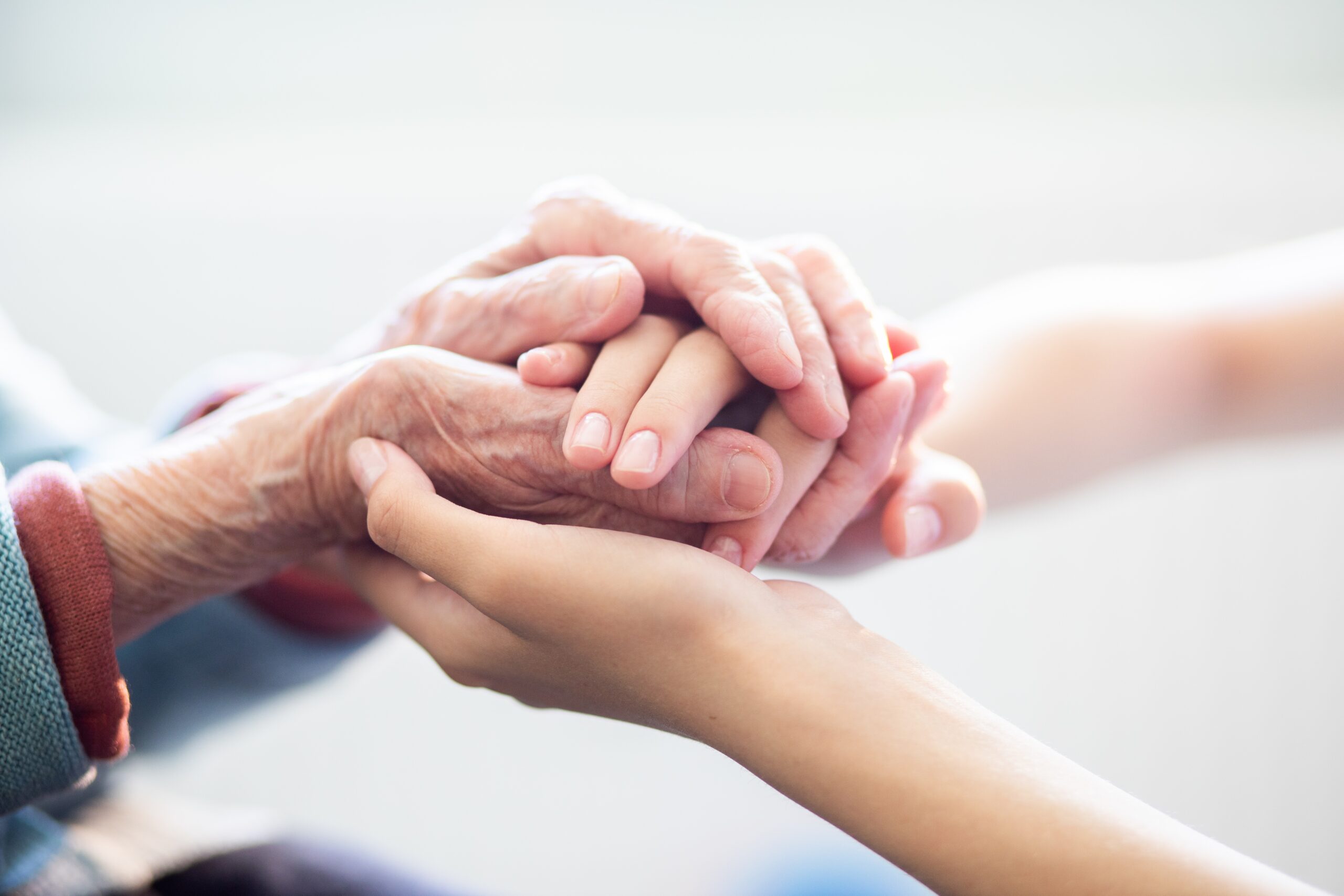
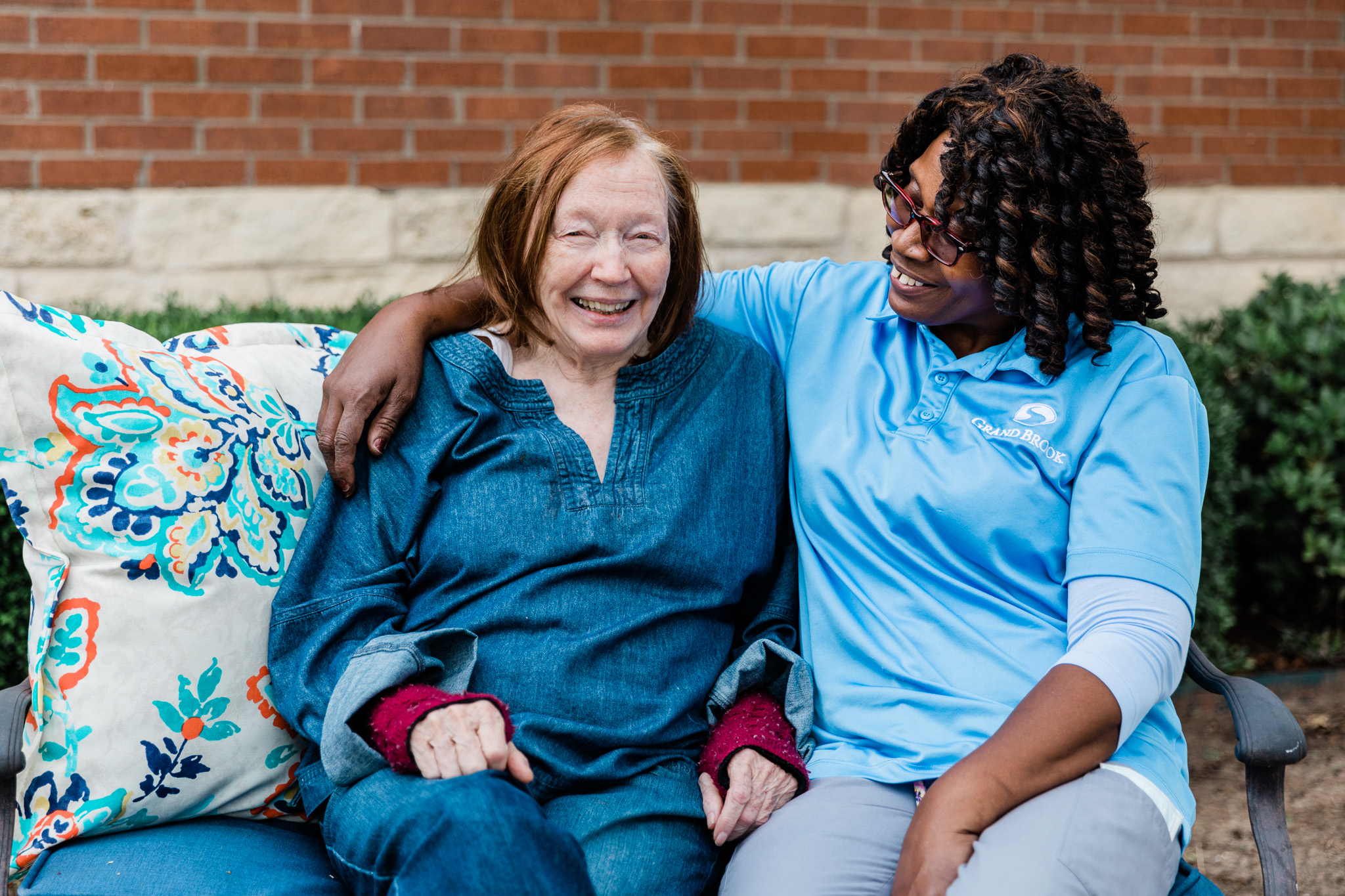
Even when words fade, connection often remains. A familiar voice, a gentle touch, holding hands, or simply sitting together can still bring comfort and peace.
At Grand Brook Memory Care, we have the privilege of walking alongside families every day.
Our communities are thoughtfully designed to support those living with dementia while honoring who they are and the life they have lived.
If your loved one is beginning to need more support, contact us to learn how we can help. We would be honored to walk alongside your family and provide care rooted in compassion, dignity, and understanding.