

Choosing a memory care community for a parent, spouse or loved one is one of the biggest decisions a family can make. In the Dallas–Fort Worth area, there are hundreds of senior living and memory care options, and knowing where to begin can feel overwhelming.
If you’re searching for memory care in DFW, it can be tempting to compare communities based primarily on Google ratings, location or monthly pricing. While all of those things matter, they don’t always tell the full story.
The right memory care community should meet your loved one’s individual needs while giving your family confidence in the people, care and environment surrounding them each day.
As you begin your search, here are some of the most important things to consider.
1. Is Memory Care the Community’s Specialty?
Not every community that offers memory care is exclusively focused on memory care.
Some senior living communities provide several levels of care, such as independent living, assisted living and memory care. Others are designed specifically for people living with Alzheimer’s disease and other forms of dementia.
Neither model should be evaluated by the building alone. Families should ask how the community’s approach, environment, staffing and programming are designed to meet the unique needs of people experiencing memory loss.
At Grand Brook Memory Care, memory care is all we do. For more than 25 years, our communities have focused exclusively on caring for people living with Alzheimer’s disease and other forms of dementia.

2. Ask About Dementia-Specific Training
Caring for someone living with dementia requires more than compassion. Understanding how dementia can affect communication, behavior, emotions and daily routines is an important part of providing meaningful support.
When touring a memory care community, ask what dementia-specific education team members receive — not only when they’re hired, but throughout their employment.
Consider asking:
- What dementia-specific training do caregivers receive?
- How are team members taught to respond to changes in behavior or communication?
- Is training ongoing?
- How does the community help team members understand each resident as an individual?
Grand Brook places a strong emphasis on dementia education. Team members complete a comprehensive 32-hour CARES dementia training program designed to help them better understand and support people living with memory loss.
3. Look Beyond the Activities Calendar
Activities are important, but a full calendar doesn’t necessarily mean residents are meaningfully engaged.
Ask how a community learns about each resident’s interests, abilities, routines and life experiences. Look for opportunities throughout the day for social connection, movement, creativity, familiar routines and a sense of purpose.
At Grand Brook, our Life Engagement Program is centered on creating meaningful experiences based on resident’s individual interests, abilities and life stories. The goal isn’t simply to keep residents busy. It’s to create opportunities for connection, enjoyment and purpose throughout the day.
When you tour, don’t just look at the activity calendar. Spend some time watching what’s actually happening around you.

4. Pay Attention to the Environment
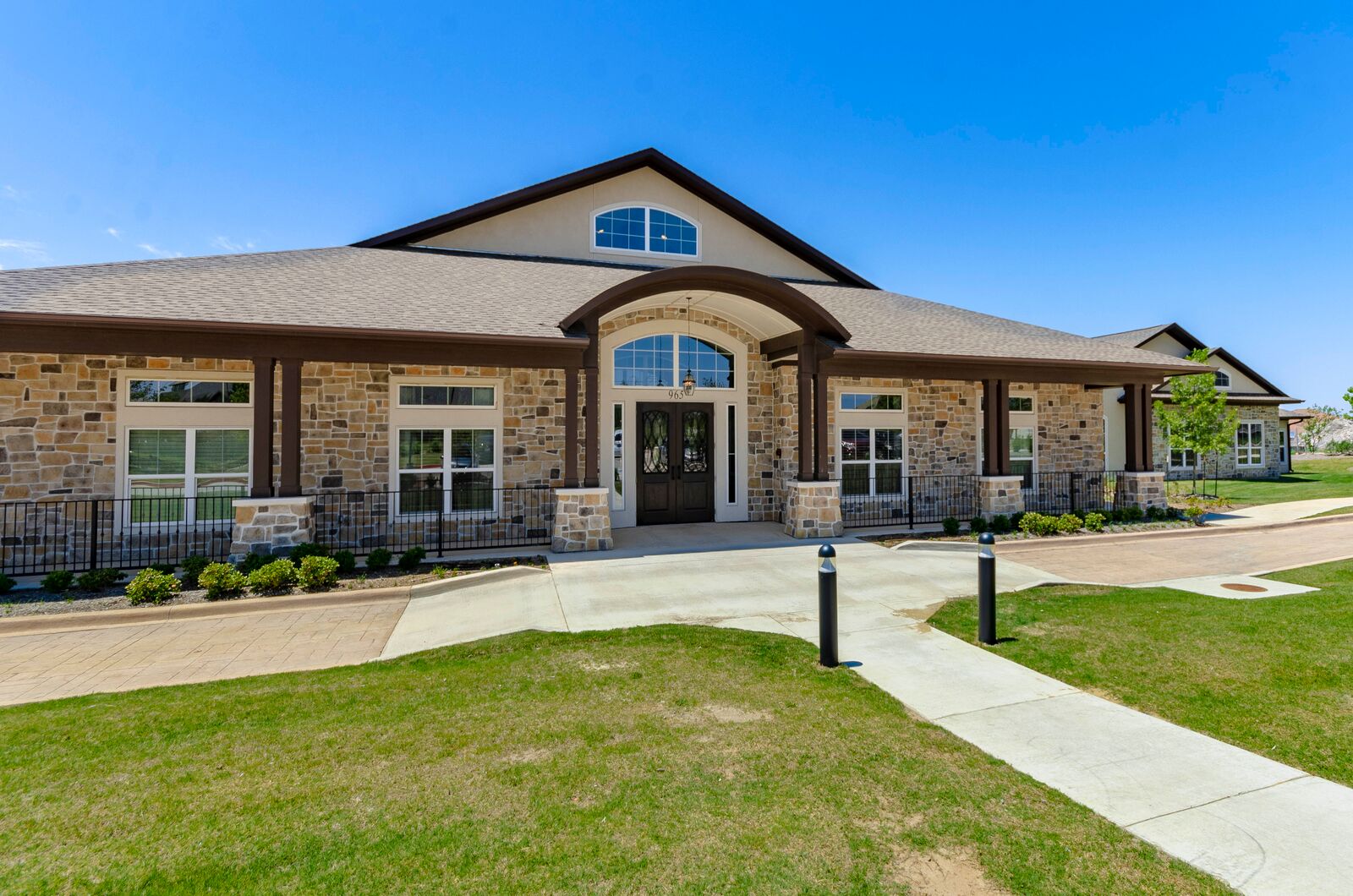
A beautiful building can make a wonderful first impression, but memory care environments should be evaluated through a different lens.
Consider whether the community feels comfortable and easy to navigate. Ask about secured entrances and outdoor spaces, and look at how the environment supports residents who may experience confusion, wandering or changes in mobility.
Most importantly, observe how people are interacting within the space.
Do team members greet residents by name? Do interactions feel warm and natural? Do residents appear comfortable? Are team members present and engaged?
The feeling you get from the people inside a community can tell you just as much as the building itself.
5. Understand How Care Is Personalized
Dementia affects every person differently, and needs can change over time.
Ask how a community gets to know a new resident and develops an individualized plan of care. Families should also understand how changes are communicated and how the care plan evolves as a resident’s needs change.
Helpful questions include:
- How do you learn about my loved one’s routines, preferences and history?
- How often are care needs reassessed?
- How will our family be kept informed?
- What happens if my loved one needs additional support in the future?
Personalized memory care should recognize the person beyond the diagnosis.

6. Understand Memory Care Pricing and What’s Included
Monthly rates can be difficult to compare because communities don’t necessarily structure pricing the same way.
Rather than looking only at the advertised monthly rate, ask exactly what is included and what may result in an additional charge.
Families may want to ask about:
- Personal care and assistance
- Medication management
- Meals and snacks
- Housekeeping and laundry
- Activities and programming
- Transportation
- Additional levels of care
- Community or move-in fees
- How and when rates may increase
Getting a clear picture of the total cost can make comparisons between communities much easier.
7. Use Online Reviews as One Part of Your Research
Google reviews can provide helpful insight into the experiences of other families, but the star rating alone doesn’t tell the whole story.
Read what families actually say. Are there common themes? Do reviewers mention communication, caregivers, cleanliness, activities or how their loved one is treated? How does the community respond when someone leaves a concern?
The number of reviews can also provide helpful context. A 5-star rating based on a handful of reviews tells a different story than a strong rating maintained across many family experiences.
Online research is a useful starting point, but it shouldn’t replace an in-person visit.
8. Tour More Than Once If You Can
A scheduled tour gives you an introduction to a community. A second visit can sometimes tell you even more.
If possible, visit at a different time of day. Observe a meal or an activity. Pay attention to how team members interact with residents when they aren’t directly speaking with you.
And trust yourself enough to slow down and ask questions. Every family’s needs are different, and choosing memory care isn’t a decision that should be made based on a checklist alone.
Questions to Ask When Touring Memory Care
Before making a decision, consider asking:
- What dementia-specific training does your team receive?
- How do you determine each resident’s individual care needs?
- How are families updated when needs or behaviors change?
- What does a typical day look like?
- How do you encourage meaningful engagement?
- How do you handle wandering, agitation or other dementia-related behaviors?
- What safety and security measures are in place?
- What is included in the monthly fee?
- What additional costs should we anticipate?
- Under what circumstances would a resident need to move to another level of care?
Bring your questions with you and don’t hesitate to take notes. The right community should welcome thoughtful questions from families.
Finding the Right Memory Care Community in DFW
Ultimately, the best memory care community is the one that matches your loved one’s needs, personality, safety requirements and preferences while giving your family confidence in the people who will be caring for them. At Grand Brook Memory Care, caring for people living with Alzheimer’s disease and dementia has been our sole focus for more than 25 years. Our DFW communities are located in Garland, McKinney, Allen, Carrollton and Grapevine, giving families across the Metroplex several options for specialized memory care close to home.
If you’re beginning your search, we would be honored to answer your questions, show you around one of our communities or simply help you better understand what to look for in memory care.
Contact us to learn more.
Frequently Asked Questions
What’s the difference between assisted living and memory care?
Assisted living generally provides support with daily activities such as bathing, dressing and medication management. Memory care is designed specifically to support people living with Alzheimer’s disease and other forms of dementia, with additional attention to security, dementia- focused programming, specialized training and the changing needs associated with memory loss.
How do we know if it’s time to consider memory care?
Every situation is different. Families often begin considering memory care when memory loss increasingly affects daily activities, safety concerns such as wandering become more difficult to manage, or a loved one’s care needs become greater than can reasonably be supported at home. A physician or other healthcare professional familiar with your loved one can also help your family evaluate changing care needs.
Should we choose the memory care community closest to home?
Location is important, particularly when it allows family and friends to visit regularly. But proximity is only one factor. Specialized training, quality of care, communication, safety, engagement and the overall environment should also be part of the decision.
Sometimes driving a little farther for the community that feels right for your loved one may be worthwhile.
What should we pay the most attention to during a tour?
Pay attention to the people as much as the surroundings. Observe how team members speak to and interact with residents. Notice whether residents appear comfortable and engaged. Ask about training, staffing, communication, daily routines and how changing care needs are handled. A community should not only look welcoming. It should feel welcoming.