

Watching someone you love experience memory changes can be one of life’s most emotional and uncertain journeys. It’s natural to wonder:
Is this simply part of getting older, or could it be something more?
If you’ve found yourself asking that question, you’re not alone.
Many families notice small changes before they know what those changes mean. Understanding the difference between normal age-related memory changes and dementia is one of the first steps toward finding answers, getting support, and helping your loved one live as fully as possible.
According to the Centers for Disease Control and Prevention (CDC), dementia is not a normal part of aging. While it’s common to occasionally forget a name or misplace your keys, memory changes that begin interfering with everyday life deserve a closer look.
In this guide, we’ll walk through some of the differences, explain what to watch for, and help you know when it may be time to seek guidance.
A Gentle Look at Normal Aging
Growing older naturally brings changes to our bodies and our brains.
You may notice it takes a little longer to remember someone’s name or recall where you left your glasses. Most of us have experienced walking into a room only to forget why we went there.
While these moments can be frustrating, they are usually a normal part of aging and don’t prevent someone from living independently or enjoying everyday life.
You might notice your loved one:
- Occasionally struggles to find the right word but remembers it a few minutes later
- Takes a little longer to learn something new
- Misplaces items but is able to retrace their steps
- Needs an occasional reminder without relying on one every day
Most importantly, they’re aware of these moments themselves.

When Memory Changes Feel Different
Sometimes memory changes begin to look different.
Instead of being occasional, they become more frequent. Instead of causing brief frustration, they begin affecting daily routines, relationships, or personal safety.
Dementia is not a normal part of aging. It describes a group of conditions that affect memory, thinking, reasoning, and behavior in ways that interfere with everyday life.
Families may begin noticing things like:
- Asking the same question several times without remembering the answer
- Difficulty following familiar routines
- Becoming confused about dates, places, or time of day
- Changes in judgment or decision-making
- Personality or mood changes that seem unusual
- Difficulty managing finances, medications, or household tasks
Often, these changes happen gradually. Looking back, many families say they noticed little signs long before they realized something more significant was happening.
Understanding Mild Cognitive Impairment (MCI)
Not every memory concern means dementia.
Some individuals are diagnosed with Mild Cognitive Impairment (MCI), which is a condition that falls somewhere between typical age-related forgetfulness and dementia.
Someone with MCI may:
- Forget recent conversations more often
- Have more difficulty concentrating
- Occasionally lose their train of thought during conversations
Many people with MCI continue living independently for years. Some never develop dementia, while others may eventually receive a diagnosis of Alzheimer’s disease or another form of dementia.
That’s why regular medical follow-up is so important.

Different Types of Dementia
Many people use the word “dementia” as though it describes one disease, but it’s actually an umbrella term for several different conditions.
Some of the most common include:
- Alzheimer’s disease – the most common type, causing gradual memory and thinking changes over time.
- Vascular dementia – often related to reduced blood flow to the brain, sometimes following strokes or longstanding vascular disease.
- Lewy body dementia – may affect movement, attention, alertness, and cause visual hallucinations.
- Frontotemporal dementia – often appears earlier in life and frequently causes changes in personality, behavior, and communication before memory loss becomes noticeable.
Understanding these differences can help families recognize patterns, ask informed questions, and find the support that’s right for their loved one.
One of the Biggest Differences: Daily Life
One of the easiest ways to understand the difference between normal aging and dementia is to consider how memory changes affect everyday life.
With normal aging:
- Forgetfulness is occasional.
- Daily routines remain manageable.
- The person recognizes their memory lapses.
With Dementia:
- Memory problems become more frequent.
- Everyday tasks become increasingly difficult.
- The person may not recognize that anything has changed.
For example, forgetting where you put your keys happens to everyone.
Forgetting what the keys are used for, or becoming lost while driving a familiar route, is different and should be discussed with a healthcare provider.

What Causes Dementia?
Dementia develops because of changes within the brain that affect how brain cells function and communicate.
Depending on the type of dementia, contributing factors may include:
- Alzheimer’s disease
- Reduced blood flow to the brain
- Previous strokes
- Certain neurological diseases
- Head injuries
- Chronic medical conditions such as high blood pressure
- Abnormal protein buildup within the brain
While not every cause can be prevented, caring for your overall health and addressing medical concerns early may help support long-term brain health.
Why Early Diagnosis Matters
Hearing the words memory evaluation can feel overwhelming.
But seeking answers early often gives families more options and more time to plan.
An early diagnosis may allow families to:
- Better understand what’s happening
- Begin treatment or therapies sooner
- Plan for future care together
- Access valuable community resources
- Help their loved one maintain independence for as long as possible
Perhaps most importantly, it gives families time to walk this journey together with intention instead of uncertainty.
Supporting Someone You Love
Whether your loved one is experiencing normal memory changes or living with dementia, one thing never changes:
They need patience, understanding, and love.
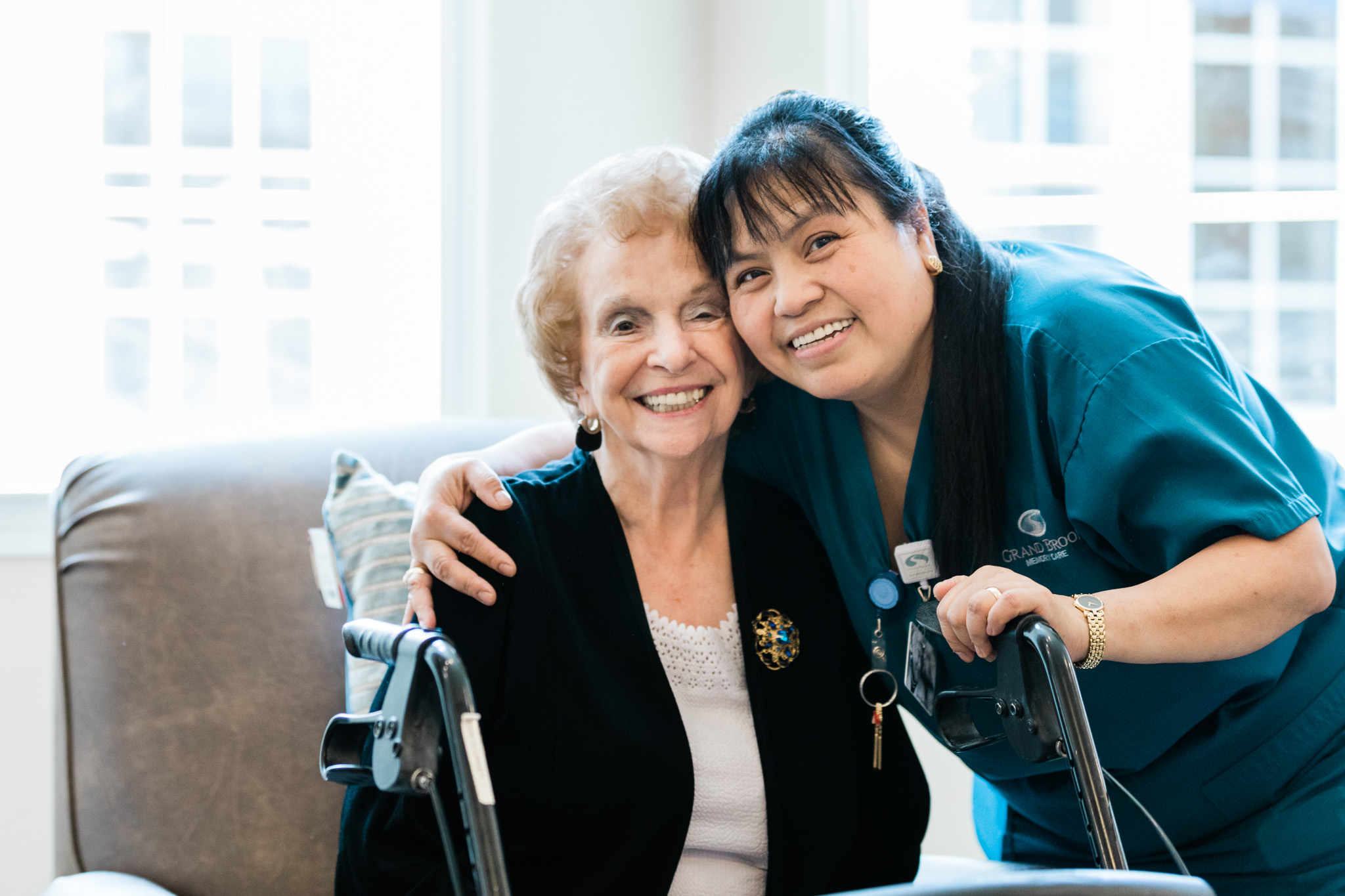
At Grand Brook, we’ve learned that it’s often the smallest moments that make the biggest difference.
Simple routines. Familiar faces. Gentle encouragement. A favorite song. A shared laugh. Time spent listening.
These everyday moments help create comfort, confidence, and meaningful connection.
If you’re caring for someone at home, remember to care for yourself as well. Caregiving can be both beautiful and exhausting, and you don’t have to navigate it alone.
You Don’t Have to Have All the Answers
If you’re beginning to notice changes in someone you love, trust your instincts.
You don’t need to wait until you’re certain something is wrong before asking questions.
Whether the changes turn out to be a normal part of aging or the early signs of dementia, seeking guidance is an act of love.
At Grand Brook Memory Care, we’ve had the privilege of walking alongside thousands of families during this journey. We understand that every story is different, and we’re here to offer support, education, and encouragement every step of the way.
If you have questions or would simply like to talk with someone who understands, we’d be honored to help.
Contact Grand Brook Memory Care to learn more or schedule a visit.