
When one spouse begins experiencing dementia or memory loss, couples often face one deeply painful question:
Does getting the right care mean we have to live apart?
It depends. With the right support, planning, and senior living arrangement, couples can often remain close and continue sharing meaningful daily life even as care needs change.
Today’s senior living communities increasingly recognize how important it is to preserve relationships while providing safe, personalized care. Many communities now offer flexible living arrangements designed to support couples even when one spouse requires memory care.
Options like independent living, assisted living, memory care, and Continuing Care Retirement Communities (CCRCs) can all help couples maintain connection while ensuring both individuals receive the support they need.
How Couples Can Navigate Memory Care Together
Many couples can remain together, or very close, when one spouse needs memory care. The best solution depends on the level of support required, the overall health of the caregiving partner, and the flexibility of the senior living community.
While every family’s journey looks different, taking the first steps early can help create more peace of mind and allow couples to make thoughtful decisions together.
- Schedule a professional care assessment
- Evaluate current and future care needs
- Tour communities that support couples with different care levels
- Discuss priorities openly as a family
With thoughtful planning, couples can often preserve their routines, companionship, and emotional closeness while receiving the care and support they need.
How Dementia Changes Couples Daily Life
Alzheimers disease and dementia gradually reshape daily life for both partners. As one spouse begins showing signs of cognitive decline, the other naturally steps into a caregiving role, helping manage medications, meals, appointments, and growing safety concerns.
Over time, this shift can become physically and emotionally exhausting. Many spouses experience burnout, disrupted sleep, social isolation, and a quiet, complicated grief as they watch someone they love begin to change. Families often describe this as one of the most difficult and lonely parts of the dementia journey.
Meanwhile, the spouse living with memory loss may experience fear, confusion, or frustration as daily tasks and independence become more difficult. Because cognitive decline is progressive, care needs that begin with occasional reminders can eventually require around-the-clock support and specialized memory care services.

Understanding Your Options
Families beginning to explore senior living will encounter several types of communities, including independent living, assisted living, and Continuing Care Retirement Communities (CCRCs). While some assisted living communities can support one partner during the earlier stages of cognitive decline, specialized memory care often becomes increasingly important as care needs advance.
As memory loss progresses, the level of support required may go beyond what traditional assisted living or independent living settings are equipped to safely provide. Dementia care requires trained staff, structured environments, and personalized support designed specifically for individuals living with memory loss.
For couples where one spouse is already experiencing significant cognitive decline, a specialized memory care community is often the most supportive long-term solution for both partners.
Why Specialized Memory Care Communities Support Couples Best
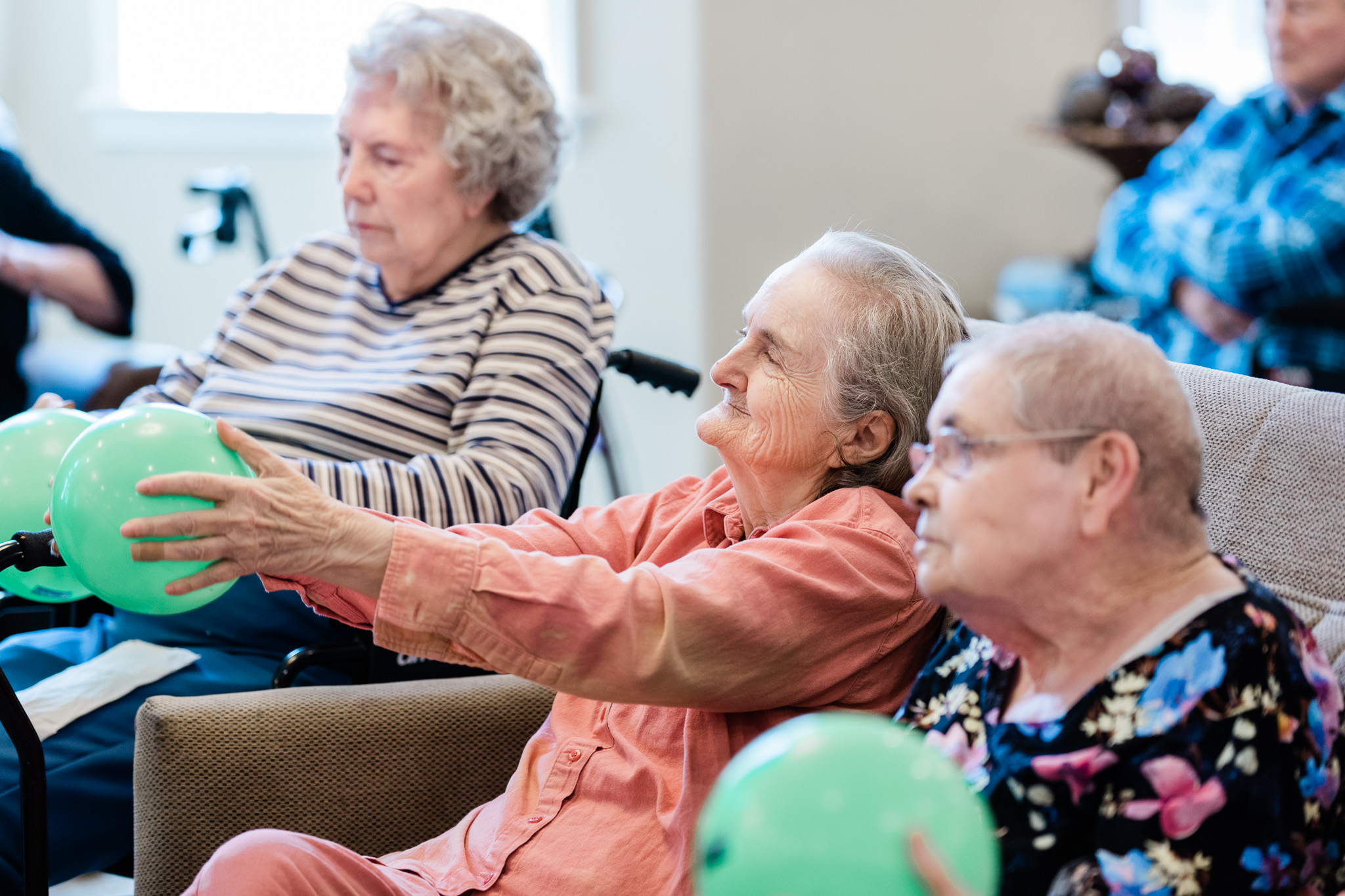
Purpose-built memory care communities like Grand Brook Memory Care are designed from the ground up to support both the resident and the people who love them. Unlike general senior living settings, memory care communities offer:
- Dementia-trained staff available around the clock
- Personalized care plans tailored to each resident’s history, routines, and preferences
- Structured daily programming designed to encourage engagement, purpose, and emotional
well-being - Safe, secure environments that help reduce safety concerns like wandering
- Comfortable spaces for families and spouses to visit, share meals, and spend meaningful time
together
For the caregiving spouse, this level of specialized support can bring tremendous relief. It allows them to step away from the constant demands of caregiving and return to simply being a husband, wife, or loving partner again.
How Couples Stay Close in a Memory Care Setting
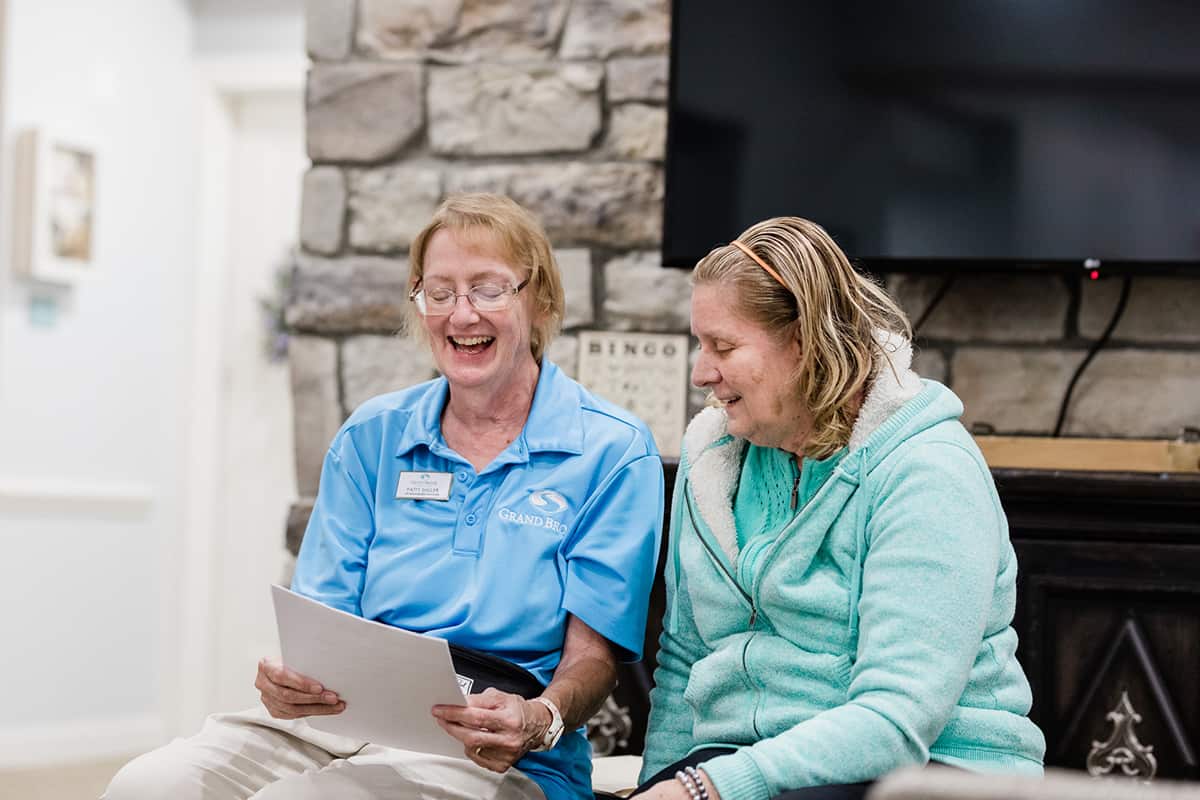
One of the most common fears families have when exploring memory care is that moving a loved one into a community means losing the relationship. At Grand Brook Memory Care, we often see the opposite happen.
Spouses remain deeply involved in their loved one’s daily life. Many visit every day, sharing meals, participating in activities, and continuing the small routines that have shaped their relationship for decades. Morning coffee together, favorite music, family photos, and familiar traditions still matter and can continue in meaningful ways within a memory care setting.
Emotional connection often outlasts cognitive memory. A spouse living with Alzheimer’s disease may not always remember names or dates, but they often remember how it feels to be loved. Frequent visits and continued connection can provide comfort, reassurance, and a sense of familiarity that remains deeply meaningful.
At Grand Brook, relationship preferences are woven directly into each resident’s personalized care plan. Shared routines, favorite activities, communication styles, and personal history all help shape the way care is provided each day.
Supporting the Caregiving Spouse
Moving a loved one into memory care is not giving up. In many cases, it is one of the most loving decisions a spouse or family member can make, even when it comes with difficult emotions.
At Grand Brook Memory Care, we believe in supporting the whole family, not just the resident. Caregiver support groups, counseling resources, and compassionate communication from our care team can help spouses and family members feel supported throughout the transition.
Adult children and loved ones are encouraged to stay actively involved in care planning and ongoing communication, helping families continue walking this journey together.

What To Ask When Touring Memory Care Communities
When visiting memory care communities, ask questions that help you better understand how relationships and family involvement are supported:
- Can spouses share meals and attend activities together?
- How are care plans personalized to reflect the resident’s life story and relationships?
- What visitation policies are in place for frequent or extended visits?
- How does the team communicate updates to family members?
- What dementia training do staff members receive
- How consistent is staffing from day to day?
The answers to these questions can help reveal whether a community truly values and protects the connection between loved ones.
Next Steps for Couples
Families navigating memory loss do not have to make these decisions alone or wait until a crisis occurs. Beginning the conversation early often creates more choices, smoother transitions, and greater peace of mind for everyone involved.
- Schedule a professional care assessment
- Tour specialized memory care communities with your relationship priorities in mind
- Discuss preferences and concerns openly as a family
- Begin planning for future care needs together
- Review financial and legal preparations before they become urgent
Love Does Not Have to Change
Memory care is not the end of a marriage or relationship. For many couples, it simply becomes a different season of life, one that may require more support and creativity, but is still deeply rooted in love and connection.
At Grand Brook Memory Care, we believe the bond between partners can continue to bring comfort, familiarity, and meaningful connection throughout the dementia journey. Our communities are designed to support not only the resident, but the relationships that matter most.
If your family is beginning to explore memory care options for a loved one experiencing memory loss, our team is here to walk alongside you with compassion, guidance, and personalized support every step of the way. Contact us and we would be honored to help.