
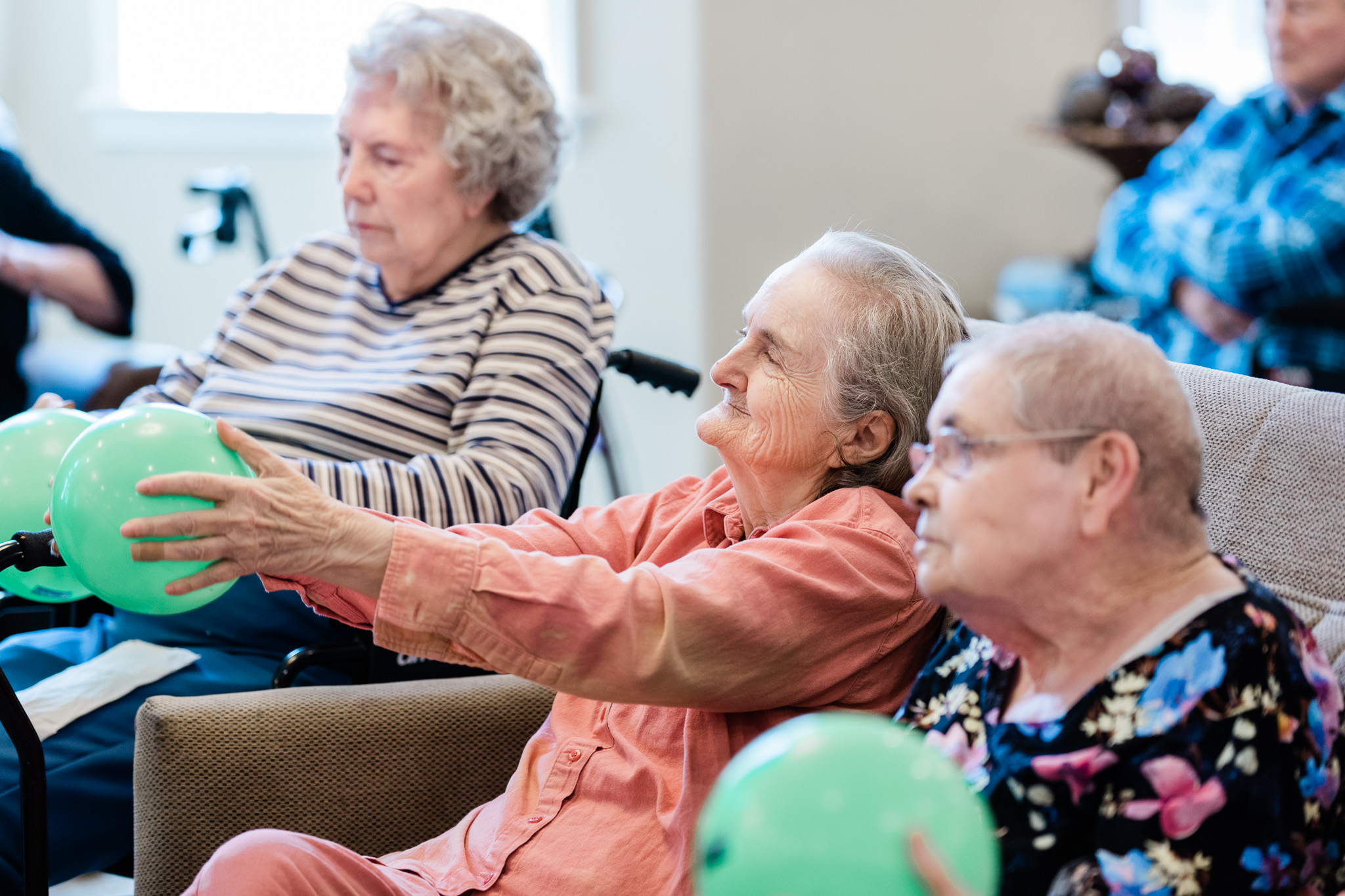
One of the biggest misconceptions about memory care is that it’s simply about keeping someone safe.
At Grand Brook, providing a safe, secure environment is just the beginning. We believe every day should also be filled with opportunities for joy, purpose, connection, and meaningful engagement.
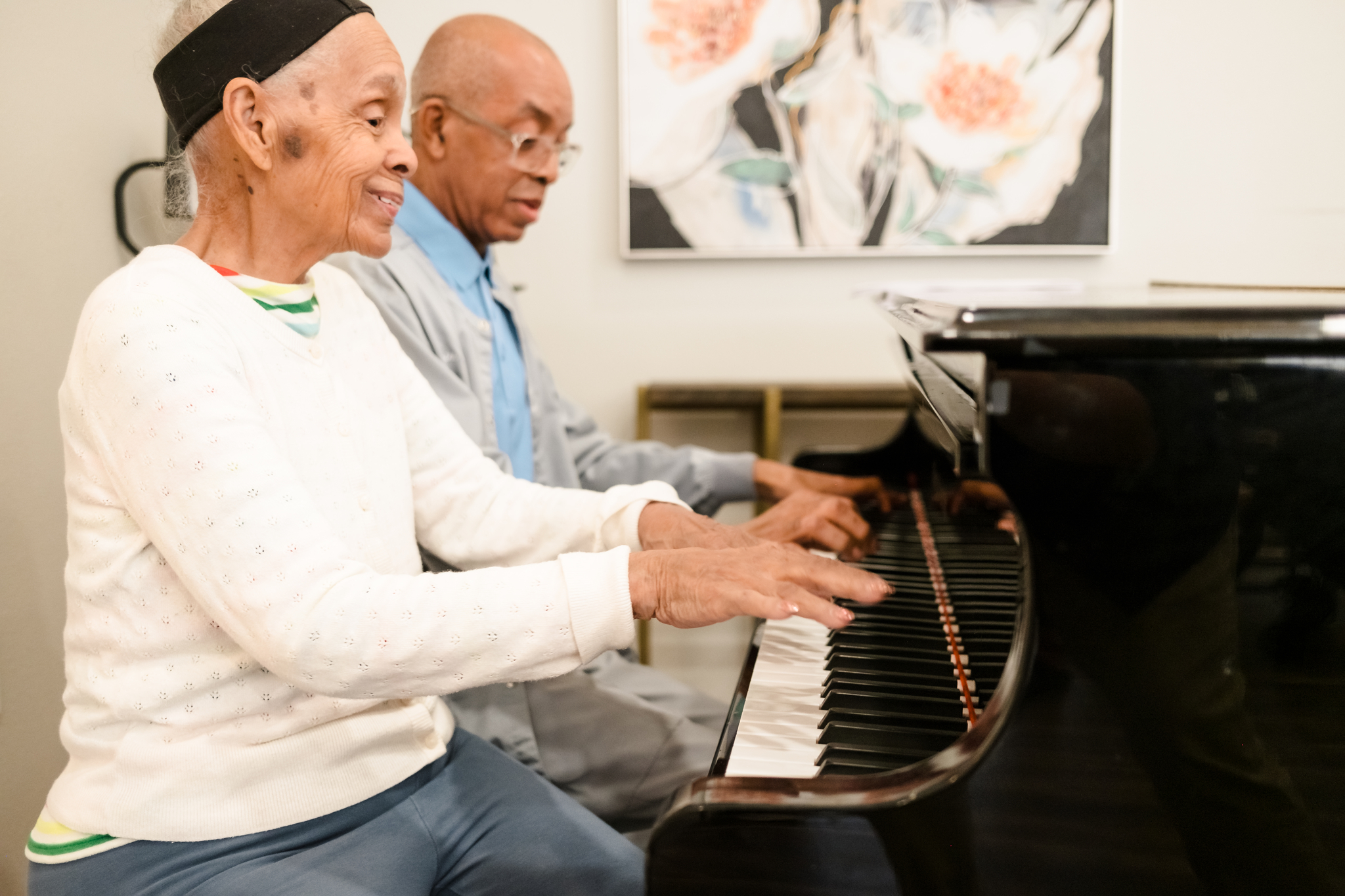
Whether it’s sharing a favorite song, tending flowers in the garden, baking cookies, or simply enjoying conversation with friends, these moments help residents continue experiencing the things that make life meaningful.
Activities aren’t about filling time. They’re about helping each person feel successful, connected, and valued.
Why Activities Matter
For someone living with Alzheimer’s disease or another form of dementia, meaningful activities can do far more than simply pass the time.
The right activities can help:
Encourage social connection
- Reduce anxiety and restlessness
- Support cognitive function
- Promote movement and overall wellness
- Create moments of confidence and accomplishment
At Grand Brook, our Life Engagement Program is built around each resident’s interests, abilities, and life story. We believe meaningful engagement looks different for every person.
Cooking: Bringing Back Familiar Memories
Some of our favorite moments happen in the kitchen.
The smell of fresh cookies baking. Mixing pancake batter. Decorating cupcakes for a holiday celebration. These familiar experiences often spark conversation, smiles, and treasured memories.
Residents may enjoy:
- Preparing simple recipes
- Decorating cookies or cupcakes
- Mixing ingredients
- Talking about favorite family meals
- Sharing treasured recipes
Cooking naturally engages the senses through familiar smells, tastes, textures, and sights. These experiences often spark memories while creating meaningful moments of connection. Even residents who need more assistance can often participate in small but meaningful ways.
Gardening: Finding Joy Outdoors
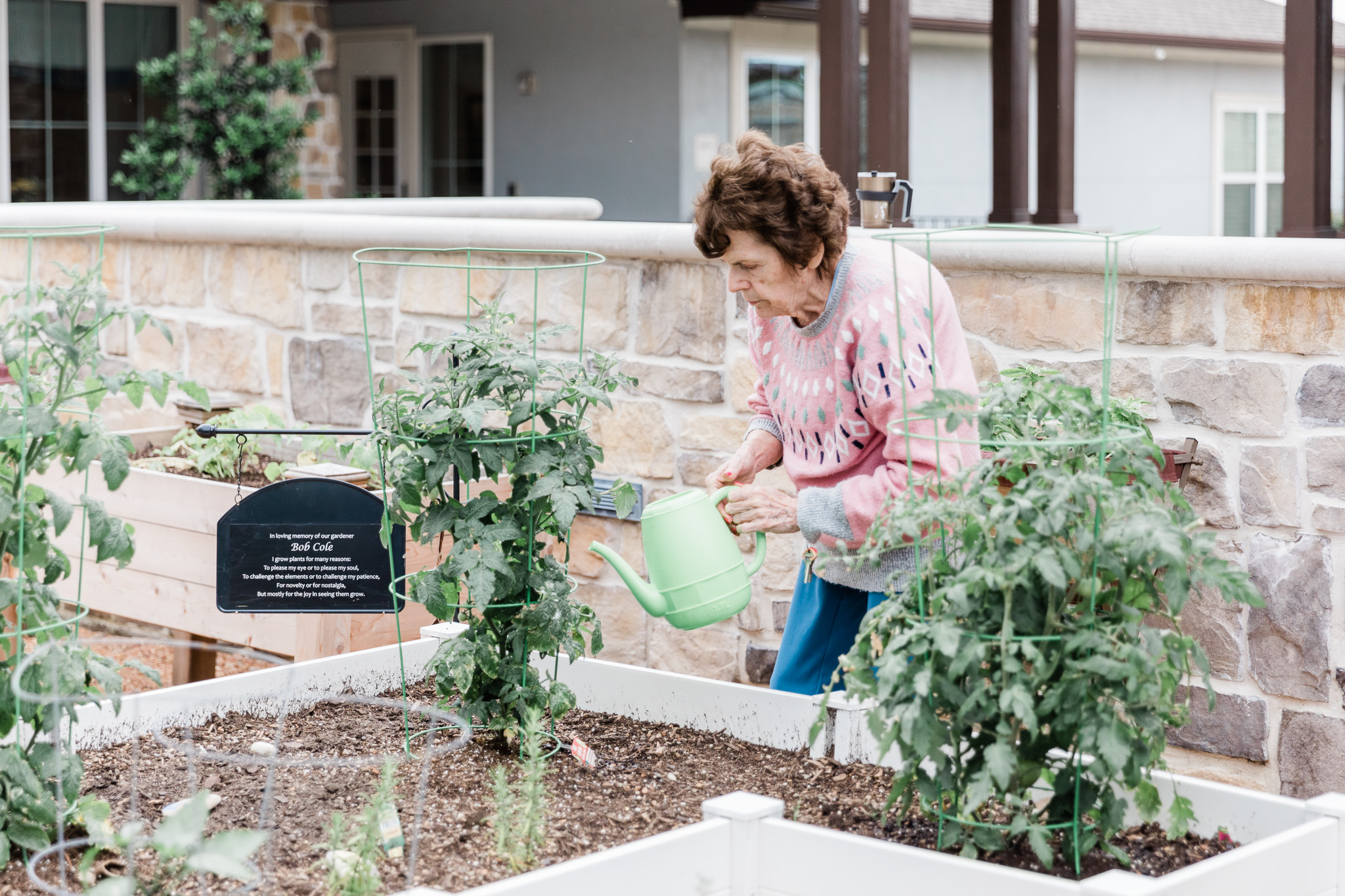
Many residents have spent years tending gardens, caring for flowers, or growing vegetables.
Gardening often feels familiar and comforting.
Whether watering flowers, planting seasonal blooms, or simply enjoying time outdoors, these activities encourage gentle movement while engaging the senses through colors, textures, and fragrances.
Research has shown that therapeutic gardens may help reduce stress, improve mood, and encourage engagement for people living with dementia.
Gentle Movement for Mind and Body
Physical activity benefits both physical and cognitive health.
Activities don’t have to be strenuous to make a difference.
Residents may enjoy:
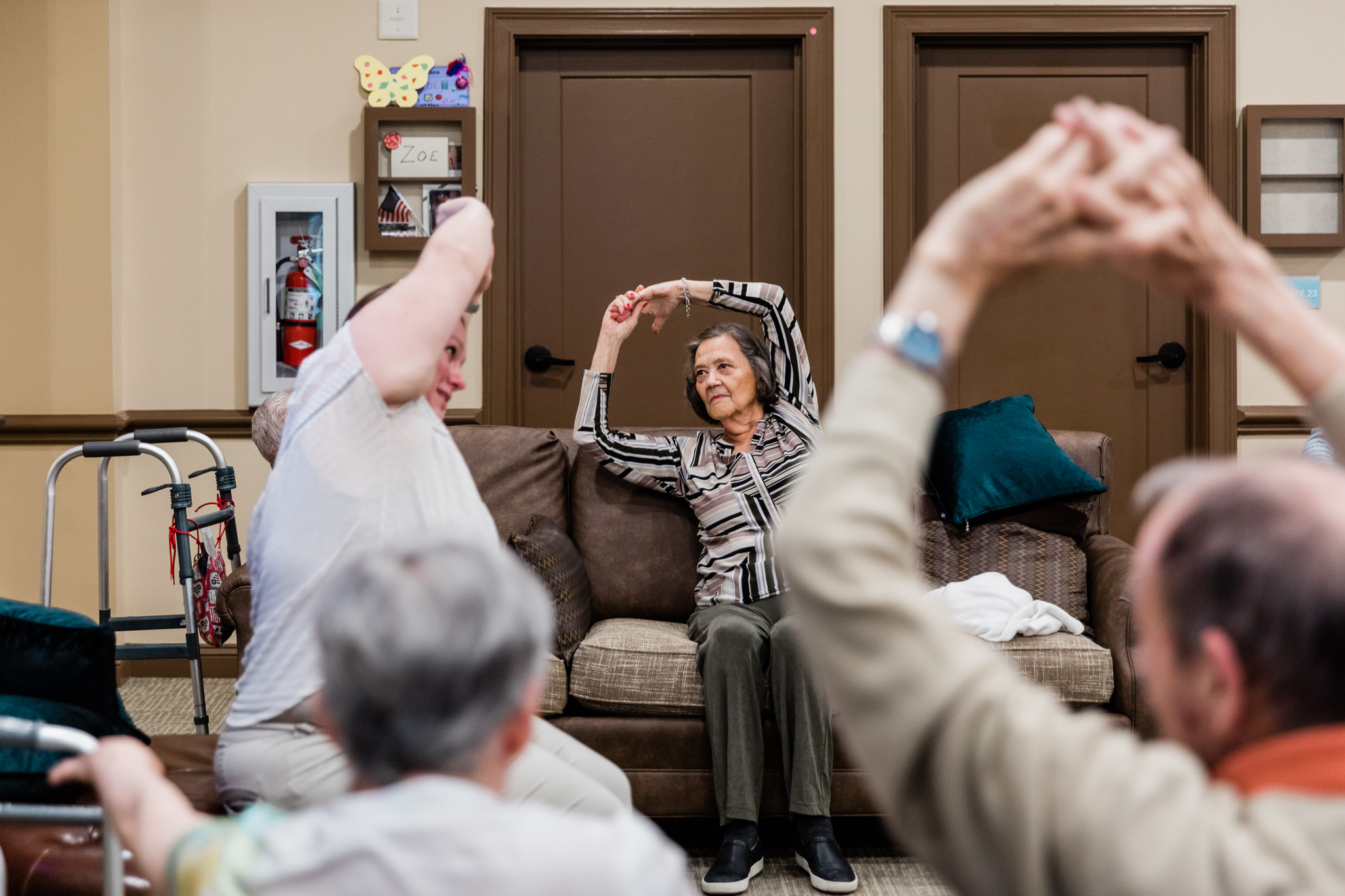
- Chair exercises
- Gentle stretching
- Walking in our secure courtyards
- Balance exercises
- Dancing to favorite music
The goal isn’t simply to keep residents active. It’s to help them enjoy movement in ways that feel comfortable, meaningful, and achievable.
Activities That Spark Memories
Some of the most meaningful moments begin with something familiar.
A family photograph.
A favorite hymn.
A cherished holiday tradition.
Looking through photo albums, listening to beloved music, or creating memory boxes filled with meaningful keepsakes can encourage conversation and help residents reconnect with important moments from their lives.
These activities often create opportunities for families to share stories together and strengthen emotional connections.
Creativity Has No Age Limit
Creativity doesn’t disappear because of dementia.
Many residents continue to enjoy expressing themselves through art and hands-on activities.
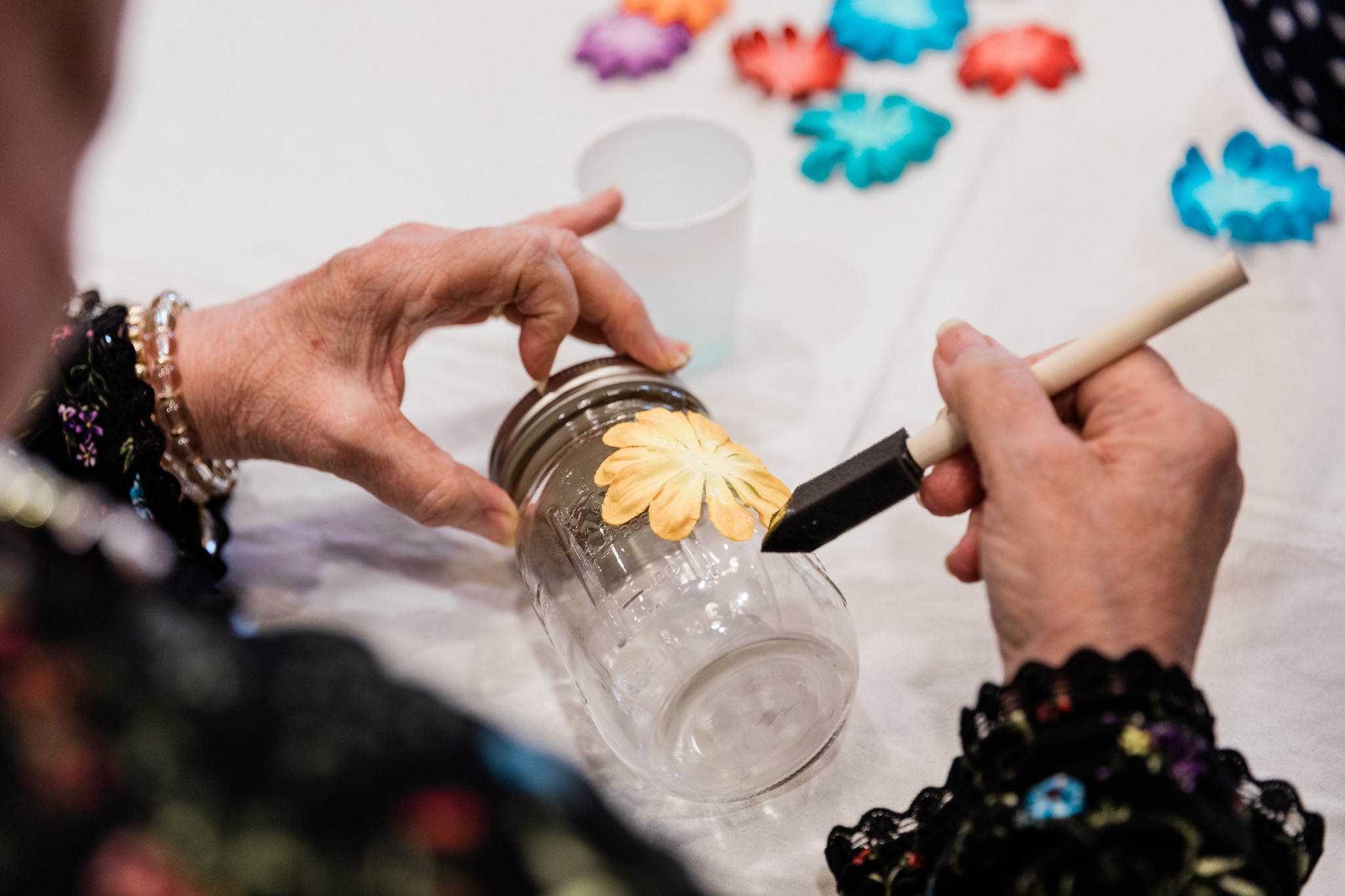
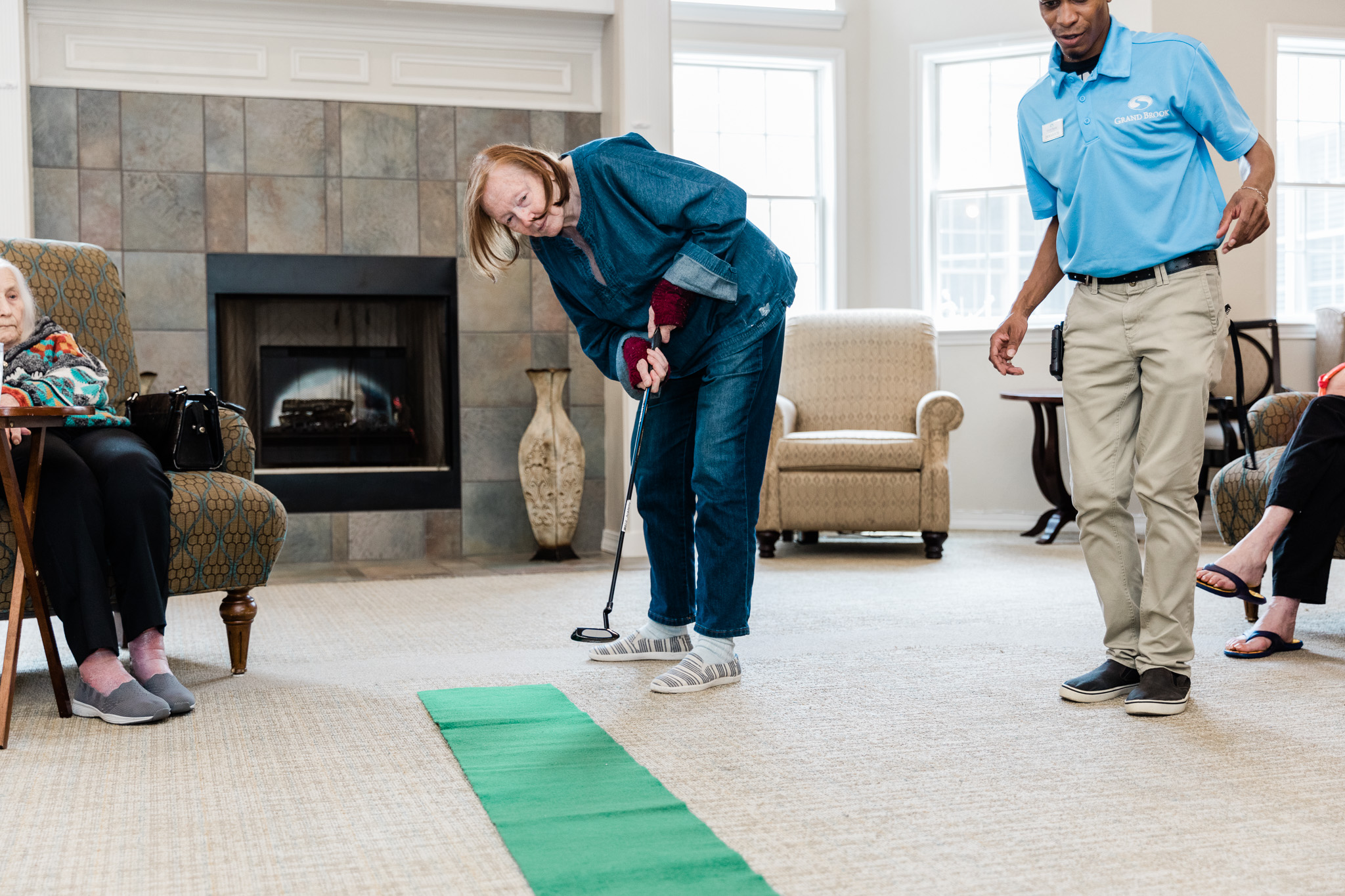
Painting, coloring, seasonal crafts, flower arranging, puzzles, and simple games provide opportunities to create, participate, and experience success.
At Grand Brook, the focus isn’t on creating a masterpiece. It’s on enjoying the experience.
The Comfort of Animals
Animals have a special way of bringing comfort.
Whether visiting therapy animals or simply spending time interacting with a friendly pet, many residents experience calmer moods, increased engagement, and genuine joy.
For some, these visits also bring back cherished memories of pets they’ve loved throughout their lives.
The Importance of Connection
One of the greatest benefits of memory care is the opportunity to build relationships.
Shared meals, group activities, music programs, celebrations, and conversations help residents feel connected to those around them.
Families often tell us they’re amazed to see their loved one smiling, laughing, and participating again after becoming isolated at home.
Those moments of connection matter.
Meeting Each Person Where They Are
No two people experience dementia the same way.
That’s why meaningful engagement should never be one-size-fits-all.
As needs change, activities change too.
Someone in the early stages may enjoy games, gardening, or cooking, while someone in later stages may find comfort in music, sensory experiences, or simply holding a familiar object.
At Grand Brook, we meet every resident where they are, creating opportunities for success at every stage of the journey.
Small Moments Make a Big Difference
The most meaningful moments aren’t always the biggest ones.
Sometimes they’re found in singing along to a favorite song.
Sharing a laugh over cookies fresh from the oven.
Watching butterflies in the garden.
Holding a loved one’s hand while looking through old family photos.
These moments may seem simple, but they can bring comfort, confidence, and connection that
lasts long after the activity ends.
At Grand Brook Memory Care, creating those moments is at the heart of everything we do.
We believe every resident’s day should include moments of purpose, dignity, and joy.
If you’d like to learn more about our Life Engagement Program or see it in action, we’d be honored to show you around one of our communities.
Contact us to schedule a tour.