
When families begin exploring memory care, one of the most common questions is:
What does a typical day look like?
It’s a fair question. Moving a loved one into memory care is a significant decision, and understanding what daily life looks like can help bring peace of mind.
At Grand Brook Memory Care, memory care is all we do. Every day is thoughtfully designed around the needs, preferences, and abilities of the individuals who call our communities home. While no two residents are exactly alike, our days are built around familiar routines, meaningful engagement, and opportunities for connection.
Why Routine Matters in Memory Care
For someone living with Alzheimer’s disease or another form of dementia, the world can often feel confusing or unpredictable. A familiar routine helps provide comfort, confidence, and a sense of security.
Knowing what comes next can reduce anxiety and help residents feel more at ease throughout the day. At the same time, routines are never one-size-fits-all. Each resident arrives with their own life experiences, interests, preferences, and daily habits.
That’s why we take time to get to know every resident and their family. Understanding who a person has been throughout their life helps us create opportunities for purpose, connection, and joy each day.
Morning: Starting the Day with Comfort and Care
Residents Wake at Their Own Pace
No two mornings look exactly the same.
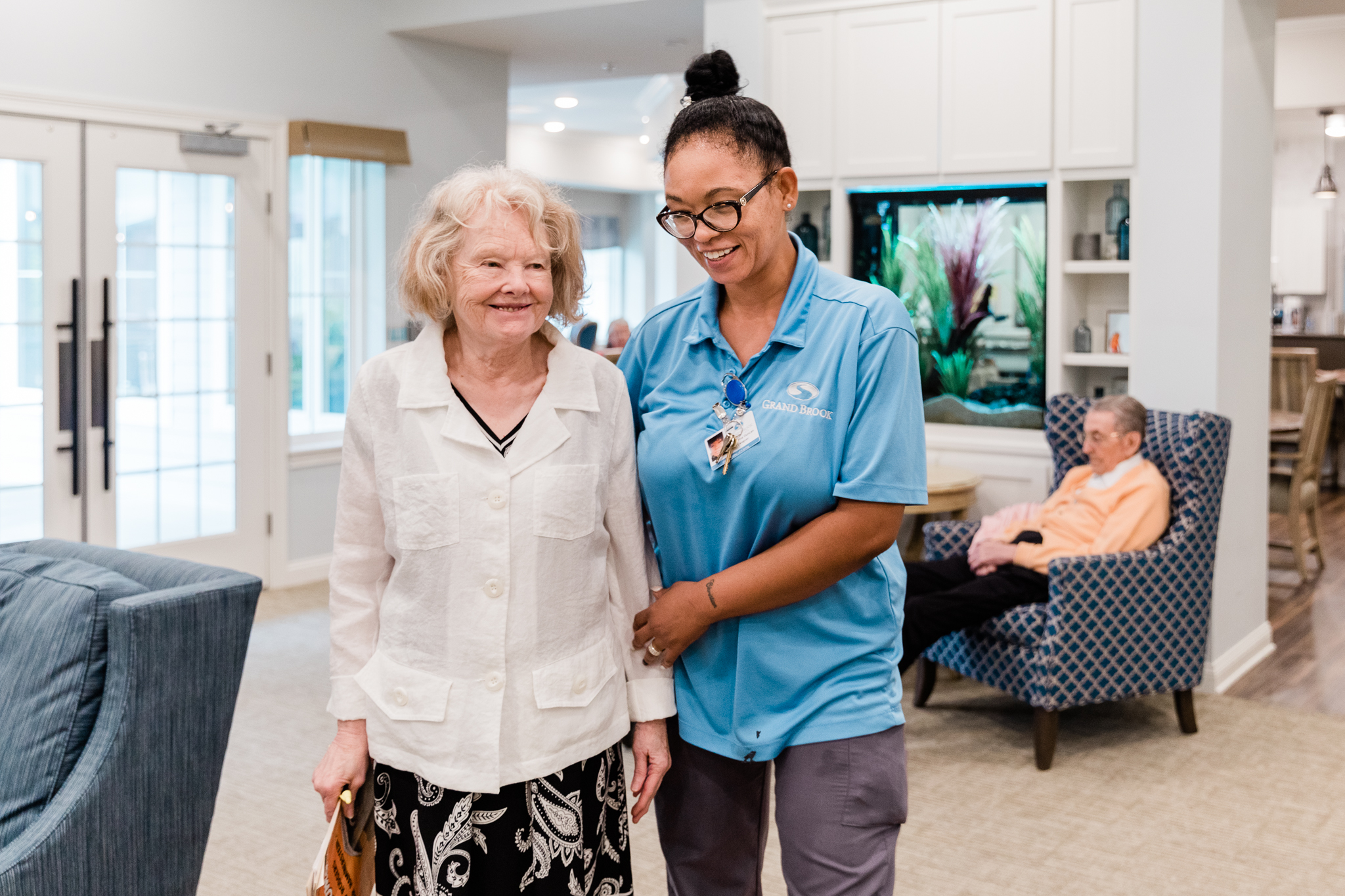
Some residents enjoy an early start to the day, while others prefer a slower morning. As residents wake, our caregivers provide support with dressing, grooming, and personal care as needed while encouraging as much independence as possible.
Our goal is not simply to assist with daily tasks. It is to help residents begin each day feeling comfortable, confident, and cared for.
Breakfast and Connection
Breakfast is often one of the first opportunities of the day to connect with friends, caregivers, and familiar faces.
Residents gather to enjoy thoughtfully prepared meals while sharing conversation and companionship. For many, these simple moments around the table help create a sense of belonging and community.

Gentle Morning Engagement
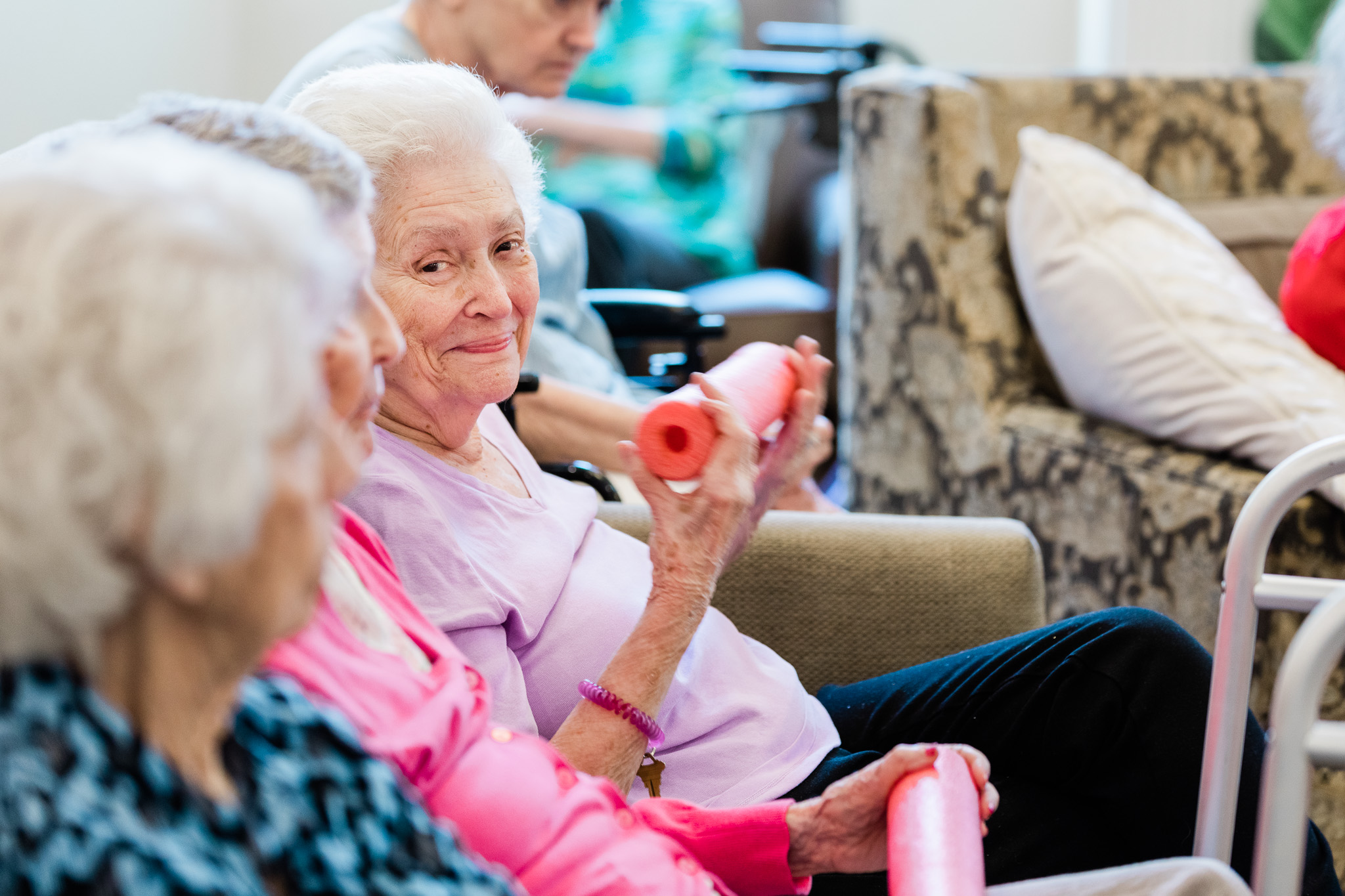
After breakfast, residents may participate in a variety of activities designed to encourage movement, engagement, and connection.
Depending on individual interests and abilities, the morning might include:
- Gentle stretching or exercise
- Music and sing-alongs
- Conversation groups
- Reminiscence activities
- Games and puzzles
- Spiritual reflection or devotional time
The goal is not to keep residents busy. It is to create opportunities for enjoyment, participation, and meaningful moments throughout the day.
Mid-Morning: Meaningful Activities and Social Connection
One of the things families often notice about Grand Brook is the sense of community.
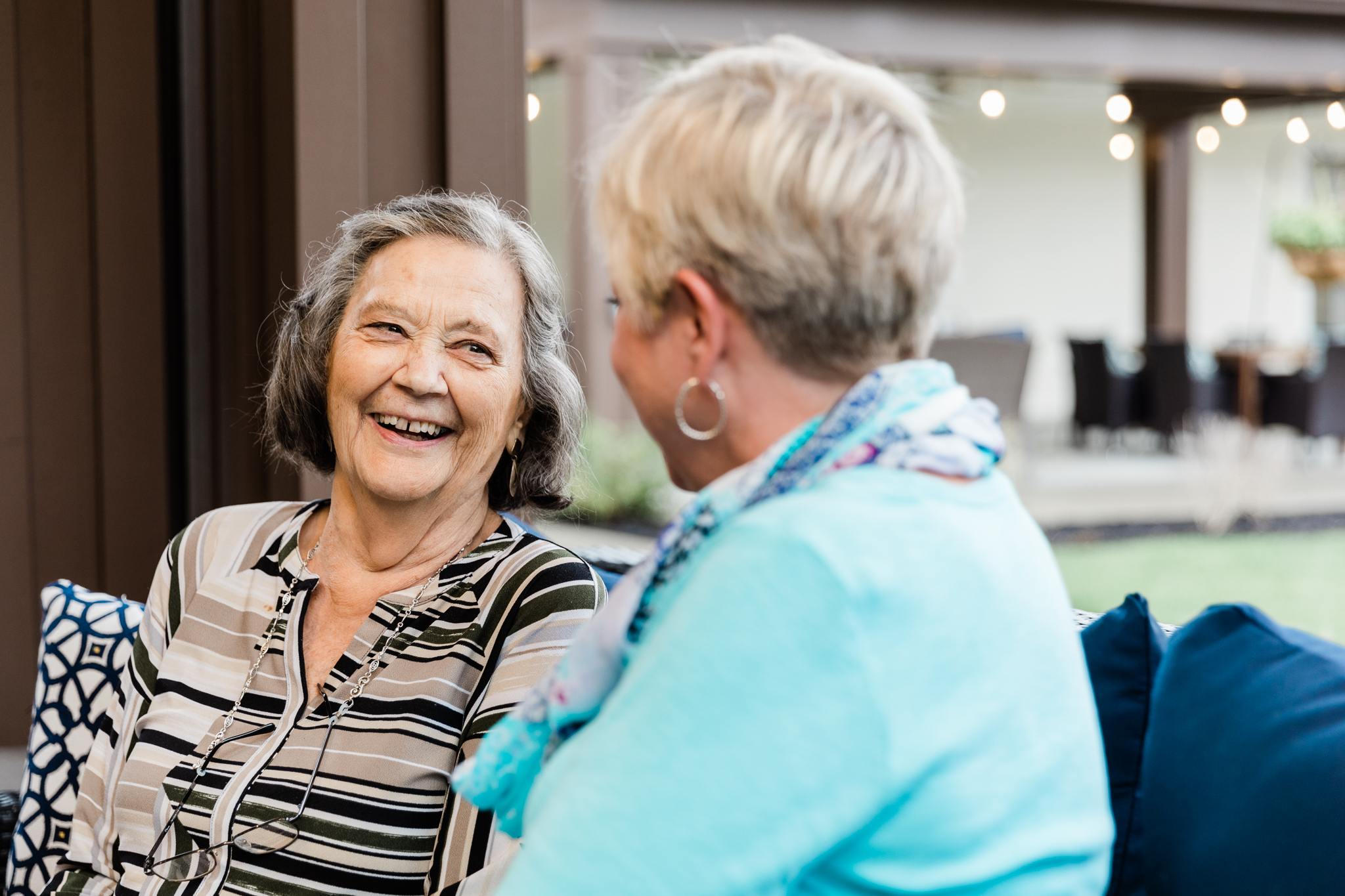
Residents spend time together throughout the day, building friendships and sharing experiences. Social connection remains important at every stage of memory loss and can help reduce feelings of isolation while creating opportunities for joy.
Activities Inspired by Life Stories
At Grand Brook, activities are not simply selected from a calendar. They are shaped by the people who live here.
Some residents enjoy painting, crafts, or creative projects. Others may prefer gardening in our secure outdoor courtyards, listening to music, reading, baking, or participating in group discussions.
A former teacher may enjoy helping with a reading activity. A lifelong gardener may find comfort tending flowers. A music lover may light up during a favorite song.
By focusing on each resident’s interests and strengths, we help create meaningful experiences that support dignity, purpose, and connection.

Afternoon: Lunch, Rest, and Continued Engagement
Lunch with Friends
Lunch offers another opportunity to gather and enjoy a meal together.
Residents receive support as needed while maintaining as much independence as possible. Our caregivers are always nearby to provide encouragement and assistance, helping make mealtimes both comfortable and enjoyable.
Rest and Recharge
After lunch, many residents enjoy a quieter pace. Some choose to relax in their room, while others spend time in one of our inviting common areas reading, listening to music, visiting with friends, or simply resting before the afternoon’s activities begin. These quieter moments help maintain balance and support overall well-being throughout the day.
Afternoon Activities
Afternoons often include a variety of engaging opportunities based on resident’s interests and preferences, including:
- Creative activities such as painting, crafts, baking, or puzzles
- Gentle exercise and movement
- Walks in secure outdoor courtyards
- Games and conversation groups
- Live entertainment and special events
- Intergenerational and community programs
Having a familiar rhythm to the day helps residents feel more comfortable, confident, and secure.

Evening: Gathering, Relaxing, and Winding Down
Dinner and Community
Dinner offers another opportunity to gather, enjoy a good meal, and spend time with friends and caregivers.
These shared meals often become some of the most meaningful moments of the day, filled with conversation and connection.
Family Visits and Evening Activities
Family involvement remains an important part of life at Grand Brook.
We often tell families that they remain an essential part of their loved one’s care journey. Whether visiting for a meal, attending an event, sharing stories, or simply spending time together, those connections continue to matter.
Evening activities may include music, entertainment, movies, social gatherings, or quiet opportunities for conversation and reflection.
Preparing for a Peaceful Night
As the day comes to a close, the pace naturally slows.
Calming activities, familiar routines, and supportive caregivers help residents transition comfortably into the evening. A consistent bedtime routine can help reduce anxiety and encourage a more restful night.
A Day Doesn’t Always Follow a Schedule
While routine is important, every day is a little different.
Some days are filled with laughter, activity, and celebration. Other days call for extra rest, one- on-one support, or quiet moments. The goal is not to follow a rigid schedule. It is to meet each resident where they are and create a day that feels comfortable, familiar, and meaningful.
At Grand Brook, we recognize that dementia affects each person differently. Our approach is built on flexibility, compassion, and understanding.
The Important Role of Families
Caring for a loved one with memory loss can be emotionally exhausting and deeply personal.
That’s why we view families as partners in care. We spend time learning about favorite hobbies, lifelong routines, important relationships, treasured memories, and personal preferences.
The more we know about a resident’s life story, the better we can provide care that feels familiar and meaningful.
Families often tell us that knowing their loved one is understood, not just cared for, brings tremendous peace of mind.
Experience a Day at Grand Brook
At Grand Brook Memory Care, routine and structure are acts of love.
Every detail of the day is thoughtfully designed to provide comfort, support, engagement, and dignity for those living with Alzheimer’s disease and other forms of dementia.
Most importantly, we strive to create a place that feels less like a facility and more like home.
If you are exploring memory care options for a loved one, we would be honored to show you around, answer your questions, and help you determine whether Grand Brook is the right fit for your family.
Contact us to schedule a visit to one of our communities and experience firsthand what a typical day at Grand Brook looks like.