
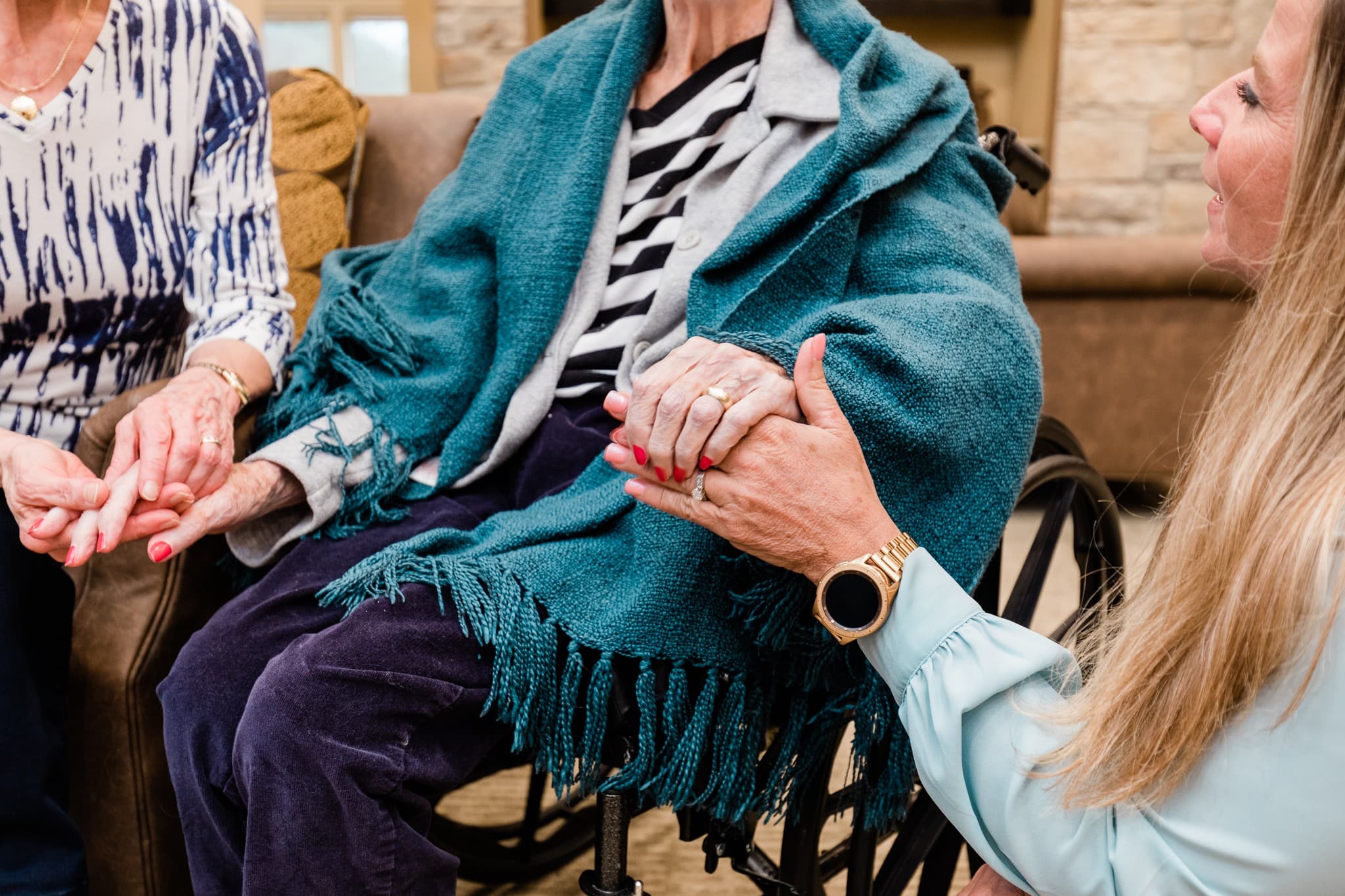
Caregiving is one of the purest expressions of love. When you care for a family member living with Alzheimer’s or dementia, your days are filled with purpose, tenderness, and often heartache.
You give so much of yourself: your time, your patience, your energy, and most of all, your heart.
But even the most devoted caregivers can become overwhelmed. Over time, the constant physical and emotional demands can take a real toll. This is what experts call caregiver burnout, and it can happen to anyone.
Recognizing burnout is not a sign that you are failing, it is a sign that you care deeply and that both you and your loved one deserve support. Taking care of yourself allows you to continue caring for them with strength and compassion.
Understanding the Challenges of Caregiving
Caring for someone with memory loss truly becomes a full-time role. From meals and medications to safety, appointments, emotional reassurance, and constant vigilance, caregivers shoulder countless responsibilities every day.
On top of the physical demands, there is the emotional weight of watching someone you love slowly change. It can feel isolating, exhausting, and heartbreaking all at once.
Many caregivers experience:
- Fatigue or chronic stress
- Sleep disturbances
- Feelings of guilt or worry
- Social withdrawal
- Depression or anxiety
At Grand Brook Memory Care, we walk alongside families every day and remind them that caregiving was never meant to be done alone. Support, rest, and community are essential parts of the journey, not luxuries.
Recognizing the Signs of Burnout
Burnout often appears gradually, making it easy to overlook the early signs. You may begin to notice changes in how you feel, how you cope, or how you respond to daily challenges.
Common signs include:
- Feeling emotionally and physically exhausted
- Difficulty sleeping or sleeping excessively
- Losing interest in hobbies or social activities
- Increased irritability, anxiety, or feelings of helplessness
- Frequent headaches or unexplained aches
- Trouble concentrating or making decisions
If these symptoms sound familiar, your body and mind may be telling you that it’s time to pause. Acknowledging these feelings doesn’t mean you’re giving up, it means you’re human, and you deserve care too.
Managing Daily Care
Routine can provide a sense of stability for both you and your loved one. Predictable meal times, medication schedules, and familiar activities help reduce confusion and create a calmer environment.
Even with structure, no caregiver can carry everything alone. Home health aides, professional caregivers, respite care, or trusted friends and family can help shoulder the load. Allowing yourself a few hours, or even a day, to rest is not stepping away from your responsibilities. It’s an essential part of sustaining them.
Simple daily habits can also help ease stress:
- Deep breathing
- Light stretching
- Short outdoor walks
- Quiet moments of reflection or prayer
These small acts of self-care can make a meaningful difference.
Seeking Support
Every caregiver is strengthened by a circle of support. Asking for help is not a burden; it is an act of love for both you and your loved one.
Start with small steps: talk with family or friends about ways they can assist. Consider joining a caregiver support group where you can share your experiences with others who truly understand.
Professional resources such as respite care or memory care communities exist to help families regain balance while ensuring loved ones receive compassionate, specialized care.
Caring for a Loved One with Alzheimer’s Disease
As Alzheimer’s progresses, care needs change. Your loved one may require assistance with daily activities, reminders, safety monitoring, or even full-time support.
If caregiving is affecting your health or emotional well-being, it may be time to explore additional help. Feeling overwhelmed or drained does not mean you love your family member any less. It simply means the level of care they need has grown beyond what one person can provide alone.
Memory care communities like Grand Brook are designed specifically for individuals living with Alzheimer’s or dementia. Our secure, loving environment provides 24-hour care from a trained team who understands the complexities of the disease.
Choosing memory care is not giving up. It’s choosing what is best for your loved one and for you. It allows them to thrive with specialized support while giving you space to restore your own strength and peace of mind.

Planning for the Future
Care needs change, sometimes quickly. Planning ahead can ease anxiety and create smoother transitions for everyone involved. Touring memory care communities, meeting staff, and learning about services before you need them can give your family confidence and clarity when making decisions.
It can also be helpful to discuss long-term wishes openly with family. These conversations bring comfort, understanding, and alignment during uncertain times.
Conclusion
Many caregivers quietly carry guilt—guilt for being tired, asking for help, or even considering memory care. These feelings come from love, but they can make an already challenging journey even harder.
Please remember: Rest is not abandonment. Support is not failure. Caring for yourself is an act of love.
At Grand Brook, we remind families every day that accepting help does not lessen their devotion, it strengthens it. When caregivers find balance, peace, and rest, they can love more fully and walk this journey with renewed heart. If you’d like to explore memory care options or simply need someone to talk through next steps, we are here to walk alongside your family. Always.