
The holidays have a special way of bringing families together. They’re filled with familiar traditions, favorite foods, Christmas music, and time spent with the people we love. But when someone in your family is living with dementia, the holidays may look a little different than they once did.
And that’s okay.
Whether you’re planning a Thanksgiving visit or looking forward to spending Christmas together, a little preparation can help make those moments more comfortable and enjoyable for
everyone.
At Grand Brook Memory Care, we understand how important family connections are, especially during the holidays. Here are a few simple ways to make the most of your time together.
Start With the Person, Not the Plan
It’s easy to get caught up in holiday plans, but the most important thing to consider is what your loved one would enjoy.
Everyone experiences dementia differently. Some residents love the excitement of holiday gatherings, while others may feel more comfortable with a quiet visit and a familiar activity.
Before making plans, consider checking with your loved one’s care team. They can help you think through a few things:
- What time of day is usually best for a visit?
- Are there activities or gatherings your loved one particularly enjoys?
- Would a quieter setting be more comfortable?
- Are there favorite traditions, songs, or activities you could share?
The Alzheimer’s Association also recommends considering the time of day when planning visits, particularly for individuals who experience increased confusion or restlessness later in the
afternoon.
A little flexibility can go a long way toward making the visit enjoyable.

Help Family Members Know What to Expect
The holidays often bring relatives together who may not have visited in a while. For someone living with dementia, seeing several familiar faces at once can be wonderful, but it can
sometimes feel overwhelming, too.
It may help to talk with family members beforehand, especially younger children or relatives who aren’t familiar with dementia.
A few gentle reminders can make a difference:
- Introduce yourself naturally. Rather than asking “Do you remember me?” simply say hello and share your name.
- Let conversations happen naturally. There’s no need to quiz someone about names, dates, or past events.
- Be patient. If a question or story is repeated, that’s okay. Respond with kindness and keep the conversation going.
- Follow their lead. If your loved one seems tired or distracted, it may be time for a break.
- Enjoy the moment. Sometimes sitting together, holding hands, or sharing a laugh means more than a long conversation.
Most importantly, remind everyone that the purpose of the visit isn’t to test what someone remembers. It’s simply to spend time together.
You can also read more about how family visits strengthen emotional well-being in memory care.
Thanksgiving Visit Ideas for Loved Ones in Memory Care
Thanksgiving is a time for family, gratitude, and traditions. And while celebrations may look different, there are still plenty of ways to share the spirit of the holiday.
You might bring a favorite family recipe, look through old photographs, or listen to music that has always been part of your Thanksgiving celebrations.
A few other ideas include:
- Share a favorite Thanksgiving dessert, if appropriate for your loved one’s dietary needs.
- Look through family photos and enjoy the stories they bring to mind.
- Listen to a favorite hymn or familiar song.
- Read a Thanksgiving card or share something you’re thankful for.
- Help arrange flowers or set a small holiday table together.
- Enjoy a quiet visit before or after the community’s holiday activities.
If several family members are planning to visit, consider coordinating times so your loved one isn’t overwhelmed with too many visitors at once.
And remember, a meaningful Thanksgiving visit doesn’t have to last all afternoon. Sometimes a short visit filled with smiles and familiar faces is just right.
Prepare Thoughtfully for Christmas
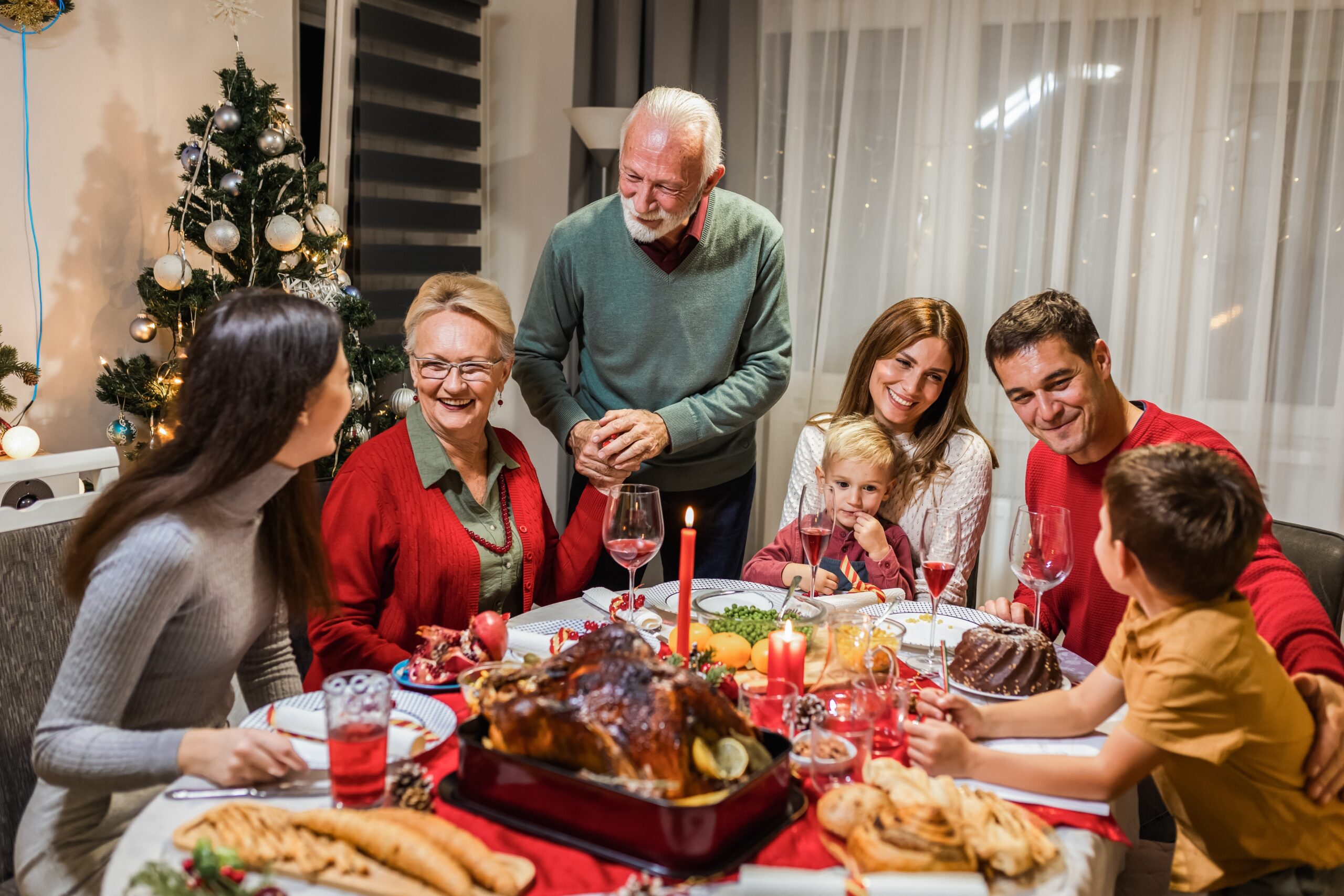
There’s something special about the familiar sights and sounds of Christmas. A favorite carol, a treasured ornament, or a family tradition can bring a sense of comfort and connection.
When planning a Christmas visit, think about the little things your loved one has always enjoyed.
Simple Christmas Visit Ideas
- Bring a favorite ornament or family Christmas photograph.
- Listen to Christmas carols or sing a familiar song together.
- Read a Christmas story, prayer, or favorite passage.
- Exchange cards or share a small, thoughtful gift.
- Look at Christmas lights or enjoy the community’s holiday decorations.
- Spend a little quiet time together, even if it’s simply sitting side by side.
There’s no need to squeeze every tradition into one visit. Choose what feels right for your loved one and enjoy the time you have together.
For additional ideas, visit our guide to creating a calming Christmas for someone living with dementia.
Choose Gifts With Meaning
Holiday gifts don’t have to be elaborate to be special.
A framed family photograph, a soft blanket, a favorite book, or a handwritten card can be wonderful choices. You might even bring something you can enjoy together, such as a photo
album or familiar music.
Before bringing food or personal items, it’s always a good idea to check with the care team about any specific needs or guidelines.
Often, the most meaningful gift is simply spending time together.
Include Children in the Celebration
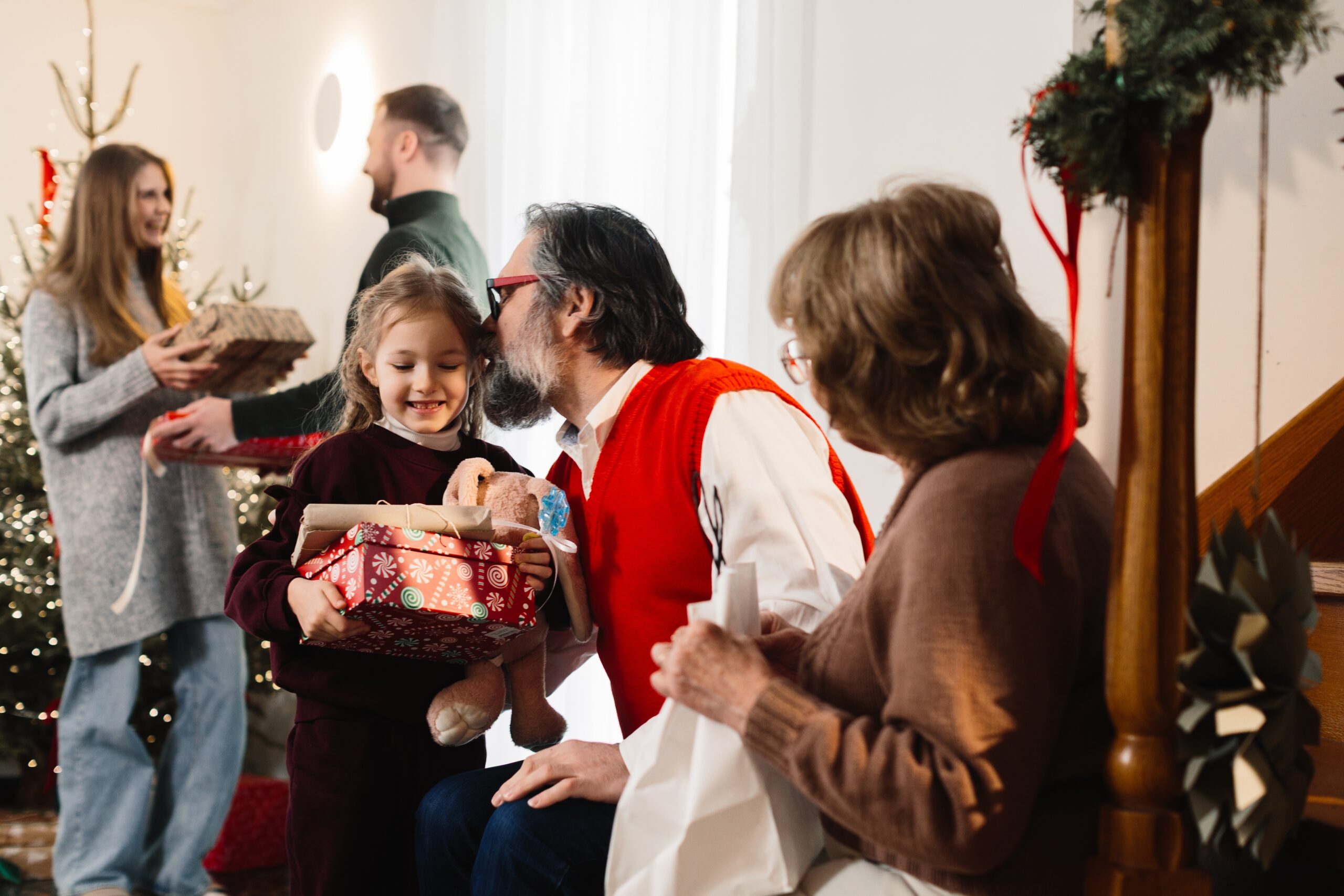
Grandchildren and younger family members can bring so much joy to holiday visits.
If children haven’t spent much time around someone living with dementia, it may help to explain what they might notice in a way they can understand.
You could say something as simple as:
“Grandma might not always remember everyone’s name, and she may tell the same story more than once. That’s okay. We can still have fun spending time with her.”
Encourage children to bring a handmade card, share a drawing, sing a Christmas song, or show off something they’ve been working on.
There’s no need to plan anything complicated. Let the visit unfold naturally and give everyone time to connect in their own way.
Stay Connected With the Memory Care Team
Your loved one’s care team can be a helpful resource when planning holiday visits.
At Grand Brook, our teams get to know residents through their daily routines, personal preferences, and the things that bring them joy. We encourage families to stay connected with us
as they plan their holiday celebrations.
Ask about upcoming Thanksgiving or Christmas gatherings, meal arrangements, or opportunities to join your loved one for a special activity.
Our communities enjoy celebrating the holidays, and having families involved makes those occasions even more meaningful.
It’s Okay When Traditions Look Different
Maybe your family once gathered around a big Thanksgiving table or spent Christmas morning opening presents together. When someone you love is living with dementia, some of those traditions may need to change.
That doesn’t mean the holidays can’t still be special.
You may find that a quieter celebration, a familiar song, or a few minutes looking through family photographs becomes a treasured part of the season.
Try not to put too much pressure on yourself or your loved one to recreate the holidays exactly as they used to be.
What matters most is being together and finding joy in the moments you share.

The Heart of the Holidays Is Being Together
The holidays remind us just how much family means. Even when dementia changes the way we communicate or celebrate, the love and connection we share remain important.
Your loved one may not remember every detail of your visit, but the comfort of a familiar voice, a warm hug, or a favorite Christmas song can still make the moment special.
At Grand Brook, family has always been at the heart of what we do. We’re grateful to walk alongside families through every season of life, including the holidays.
From our Grand Brook family to yours, we wish you a season filled with love, peace, and meaningful moments together.
Connect with Grand Brook Memory Care to learn more about our communities and how we support residents and their families.