
Watching a loved one experience memory loss can feel confusing, overwhelming, and deeply personal. When signs of cognitive change begin to appear, families are suddenly faced with unfamiliar decisions and an emotional journey they never imagined walking.
Because memory care is often misunderstood, myths and misinformation can create fear, delay early support, or prevent families from accessing the resources their loved one truly needs.
At its heart, memory care is not about giving up independence, it is about preserving dignity, ensuring safety, and enhancing quality of life through specialized, compassionate support. By understanding the truth behind these common misconceptions, families can make decisions grounded in clarity, confidence, and care.
1. Misconception: Memory Care Is Only for Late-Stage Alzheimer’s Disease
One of the most frequent assumptions is that memory care is only appropriate in the final stages of Alzheimer’s disease. In reality, memory care supports individuals across a wide range of memory-related conditions, including:
- Early-onset dementia
- Alzheimer’s disease
- Lewy body dementia
- Vascular dementia
- Frontotemporal dementia
- Other forms of cognitive impairment
Early intervention can be incredibly beneficial. Entering a memory care community sooner allows trained staff to proactively manage symptoms, slow cognitive decline, and create stability through structure and meaningful engagement. Many families notice improved mood, confidence, and routine when their loved one receives specialized support early on.
Memory care is not a last resort, it’s a proactive step toward safety, comfort, and quality of life.
2. Misconception: Memory Care Takes Away Independence
It’s natural for families to worry that moving into memory care may limit their loved one’s independence. In reality, memory care is designed to protect independence, not remove it.
Communities offer secure, thoughtfully designed environments that prevent unsafe wandering while still encouraging autonomy wherever possible. Residents receive support only in the areas where they need it, allowing them to maintain dignity and a sense of control.
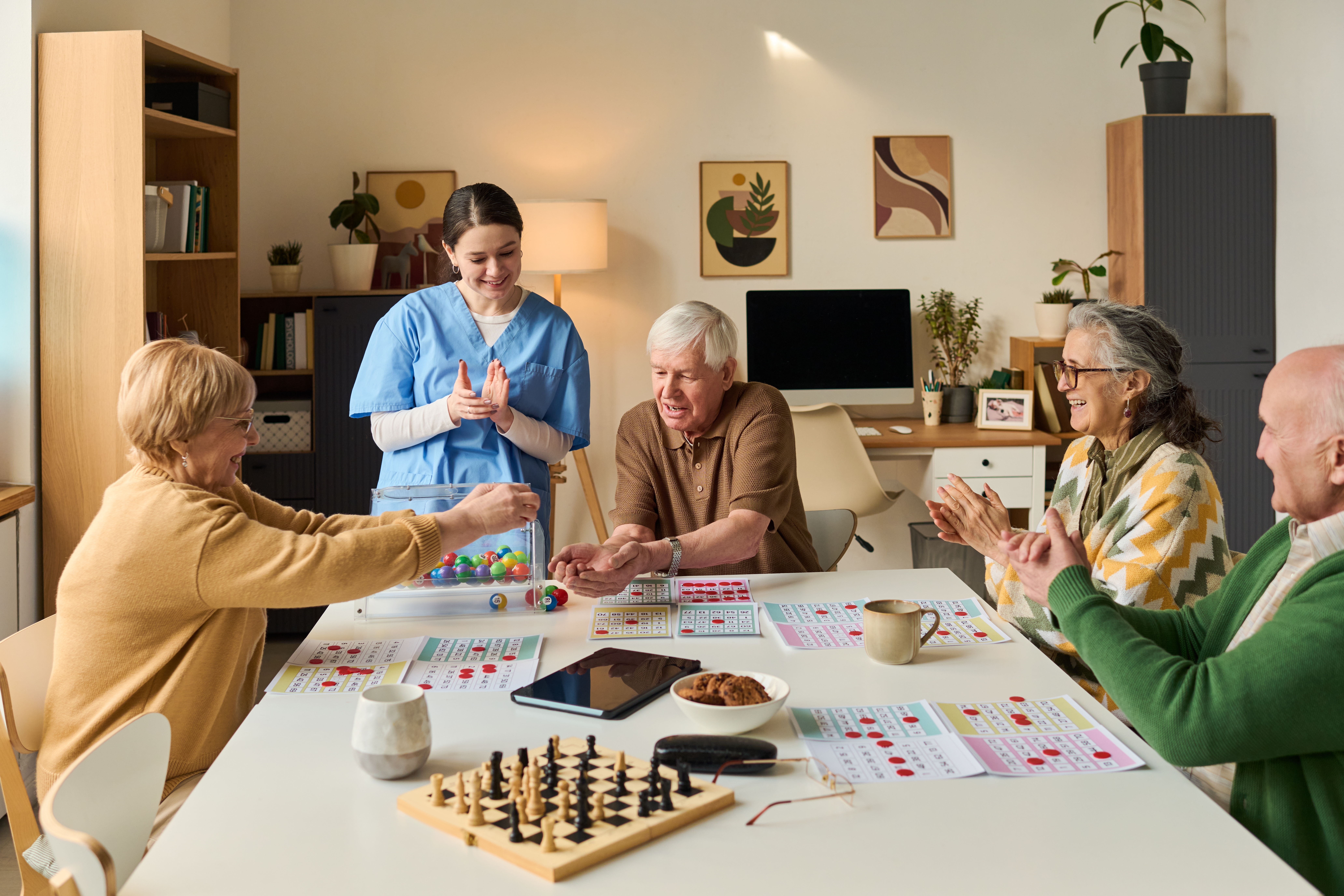
Structured daily rhythms help reduce anxiety and confusion, while purposeful activities invite engagement and social connection. Whether choosing their clothing, joining an activity, or sitting with friends at mealtime, residents remain active participants in their day.
Independence looks different in memory care, but it is still very present.

3. Misconception: All Memory Care Communities Are the Same
Another misconception is that all memory care communities provide the same level of care. The reality is that quality and training vary widely.
At Grand Brook Memory Care, our approach includes:
- Personalized care plans focused on each resident’s history, preferences, and needs
- Staff members trained in dementia-specific best practices
- Secured environments and protocols that reduce risk
- Daily therapeutic and cognitive activities
- A warm, family-centered culture that honors emotional well-being
Memory care requires more than supervision, it requires understanding, patience, expertise, and heart. The most effective communities tailor care to each individual and meet them with compassion every step of the way.
4. Misconception: Memory Care Only Prioritizes Safety
Safety is a significant part of memory care, but it is far from the whole story. A well-designed memory care community enriches daily life by promoting joy, engagement, and connection.
Residents benefit from:
- Consistent social interaction
- Cognitive and sensory stimulation
- Activities that bring purpose and enjoyment
- Predictable routines that reduce behavioral symptoms
- Opportunities for creativity, movement, and companionship
Many families notice meaningful positive changes such as improved mood, increased socialization, better sleep, and greater comfort when their loved one enters an environment built specifically for individuals living with dementia.
Memory care is about living well, not simply staying safe.
5. Misconception: Choosing Memory Care Means You’re Giving Up
This is one of the most painful myths families face. Many carry guilt or worry that choosing memory care means they’ve failed their loved one. In truth, selecting memory care is often an act of deep love.
Dementia caregiving is physically and emotionally demanding. Over time, the needs of a loved one may exceed what can be safely managed at home. Memory care allows families to transition from being full-time caregivers to being present again as sons, daughters, spouses, and partners.
A specialized environment ensures their loved one is safe, supported, and cared for with dignity while families regain peace of mind and the ability to enjoy meaningful moments together.

How Memory Care Supports Families
Memory care communities help lighten the emotional and physical burden that families often
carry alone by:
- Reducing burnout and daily stress
- Providing a secure, compassionate environment
- Offering meaningful social interaction and stimulation
- Supporting behavioral and emotional needs
- Allowing family members to focus on connection, not constant caregiving
When care needs increase, memory care becomes a partnership that protects your loved one and supports your entire family.
Conclusion
At Grand Brook Memory Care, we understand how emotional and complex this journey can be. For more than 25 years, our family has walked hand in hand with families navigating dementia, providing trusted, compassionate care rooted in dignity, respect, and connection.
Our communities are designed to feel like home, providing safe and loving environments where residents are understood, supported, and encouraged to live with purpose each day.
If you’re beginning to explore memory care or simply need guidance, we’re here to walk alongside your family. Contact us to learn more about how we can help your loved one feel safe, supported, and truly at home.